Inpage Navigation Section: Aperçu
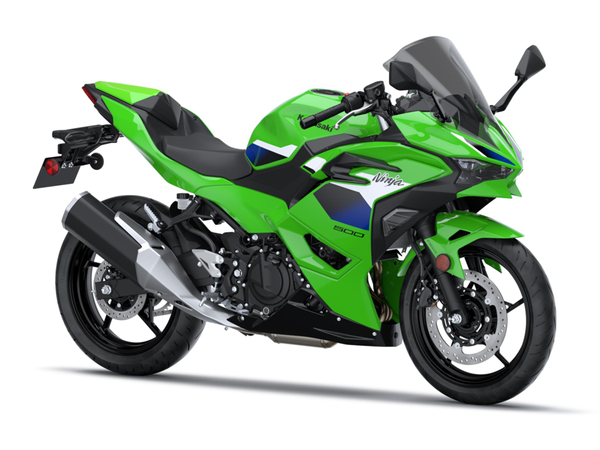
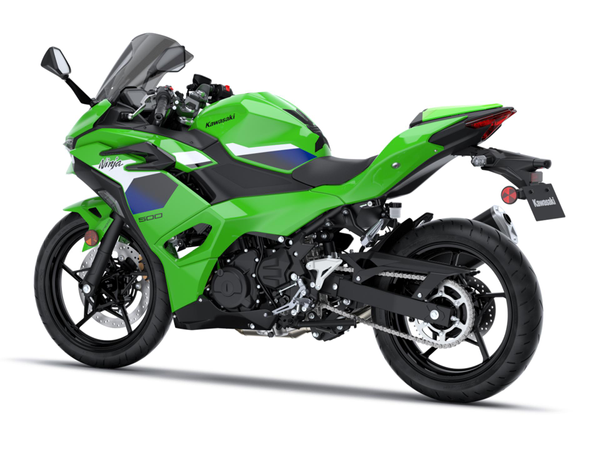
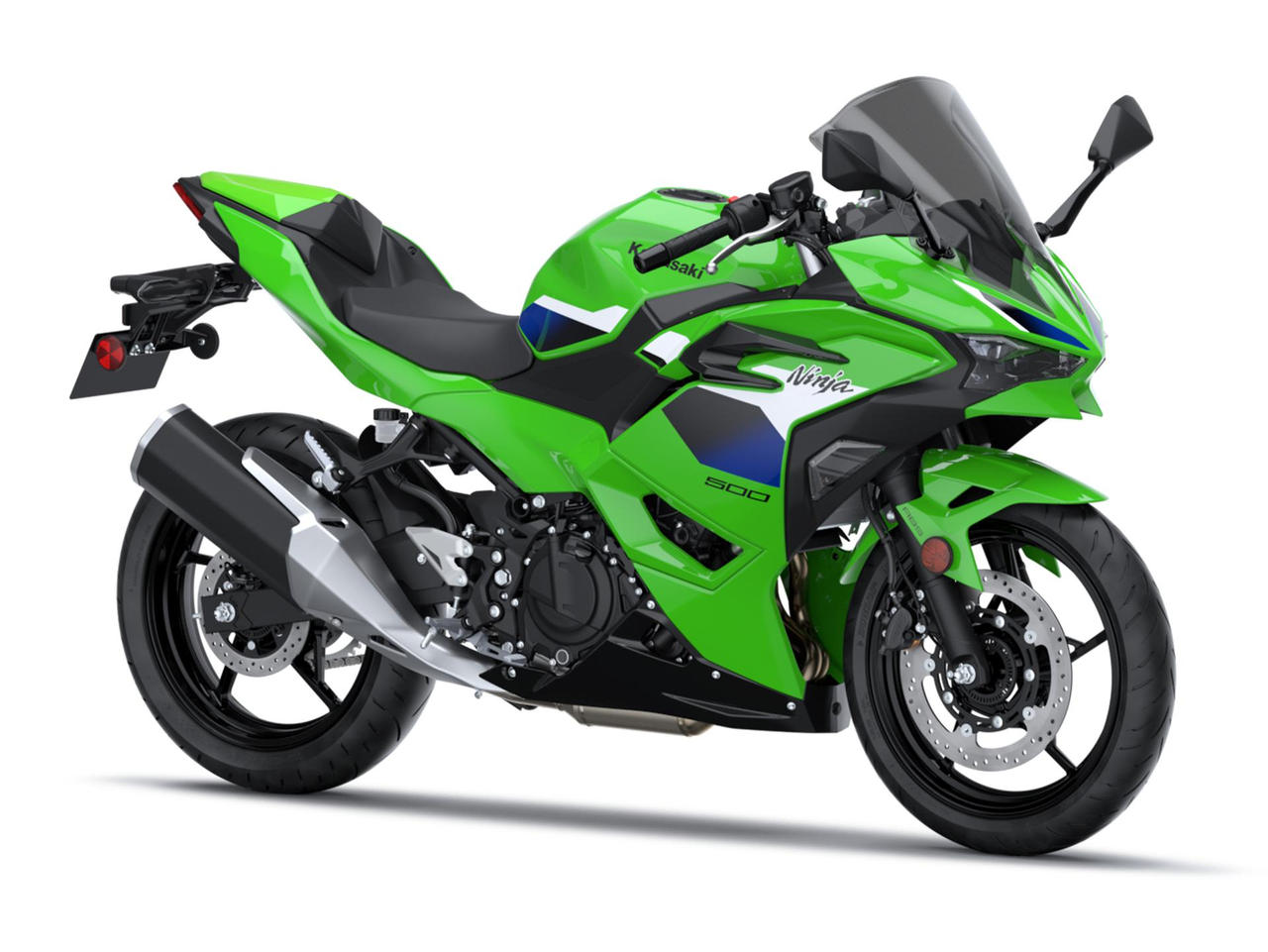
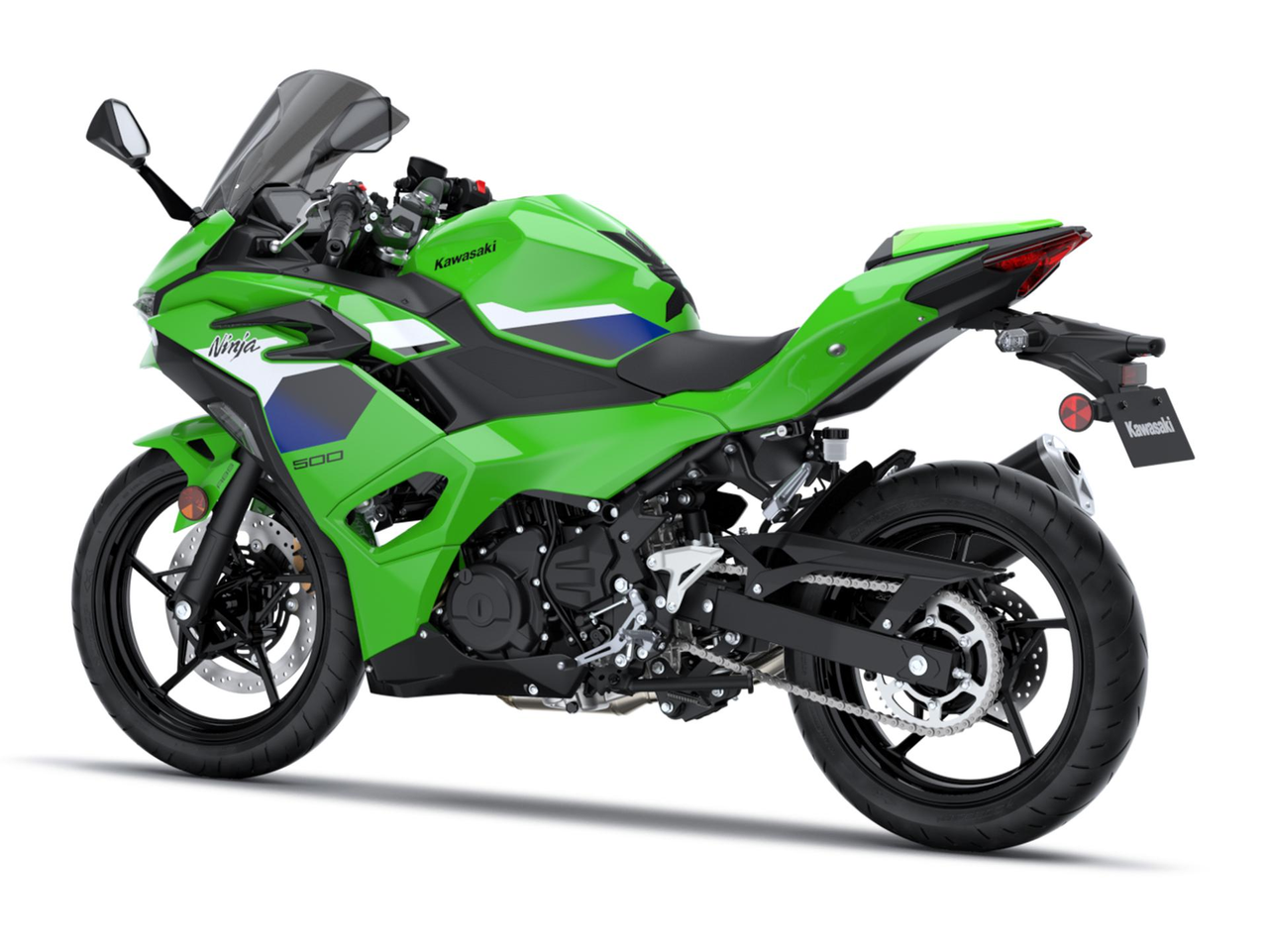
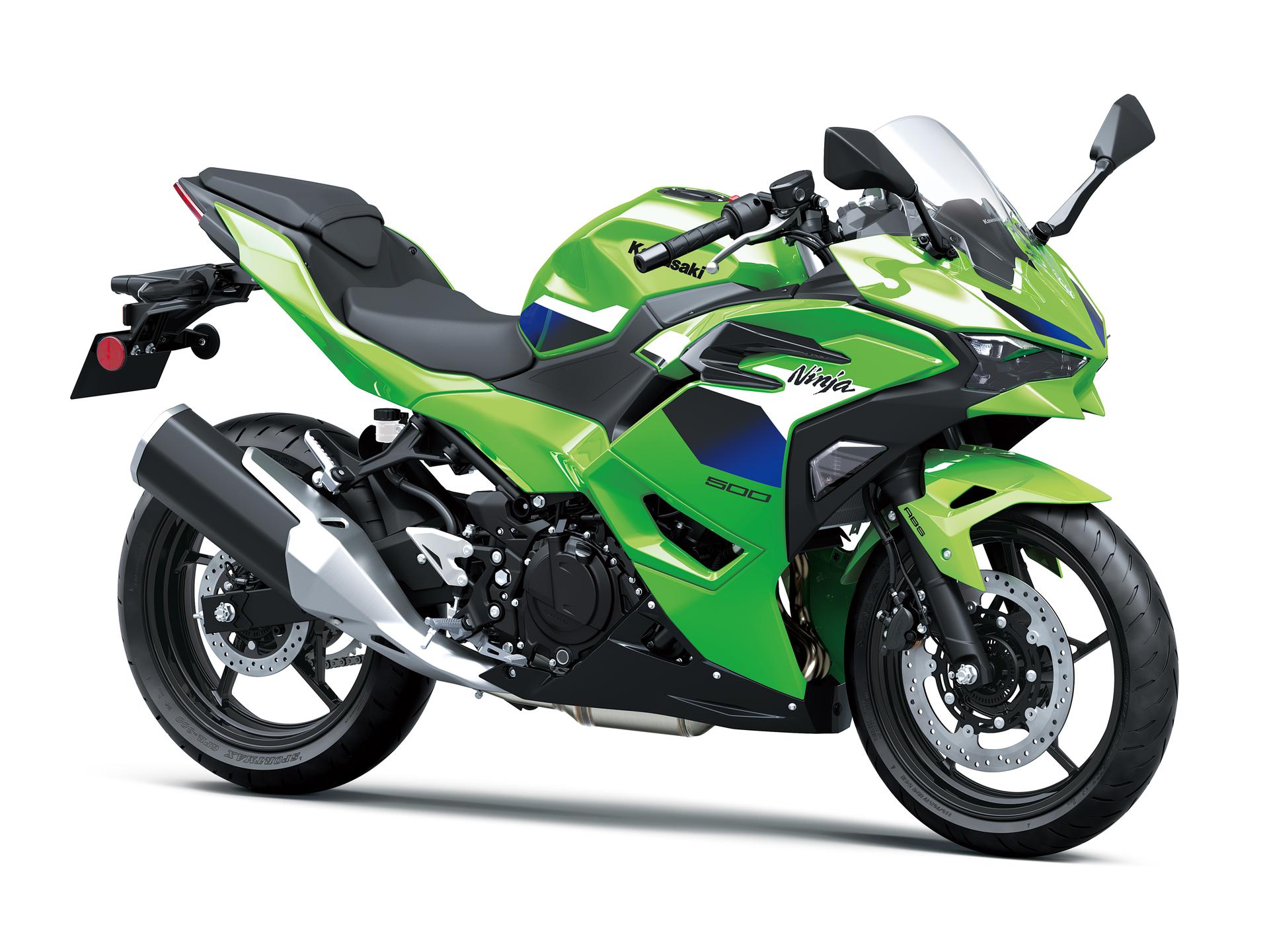
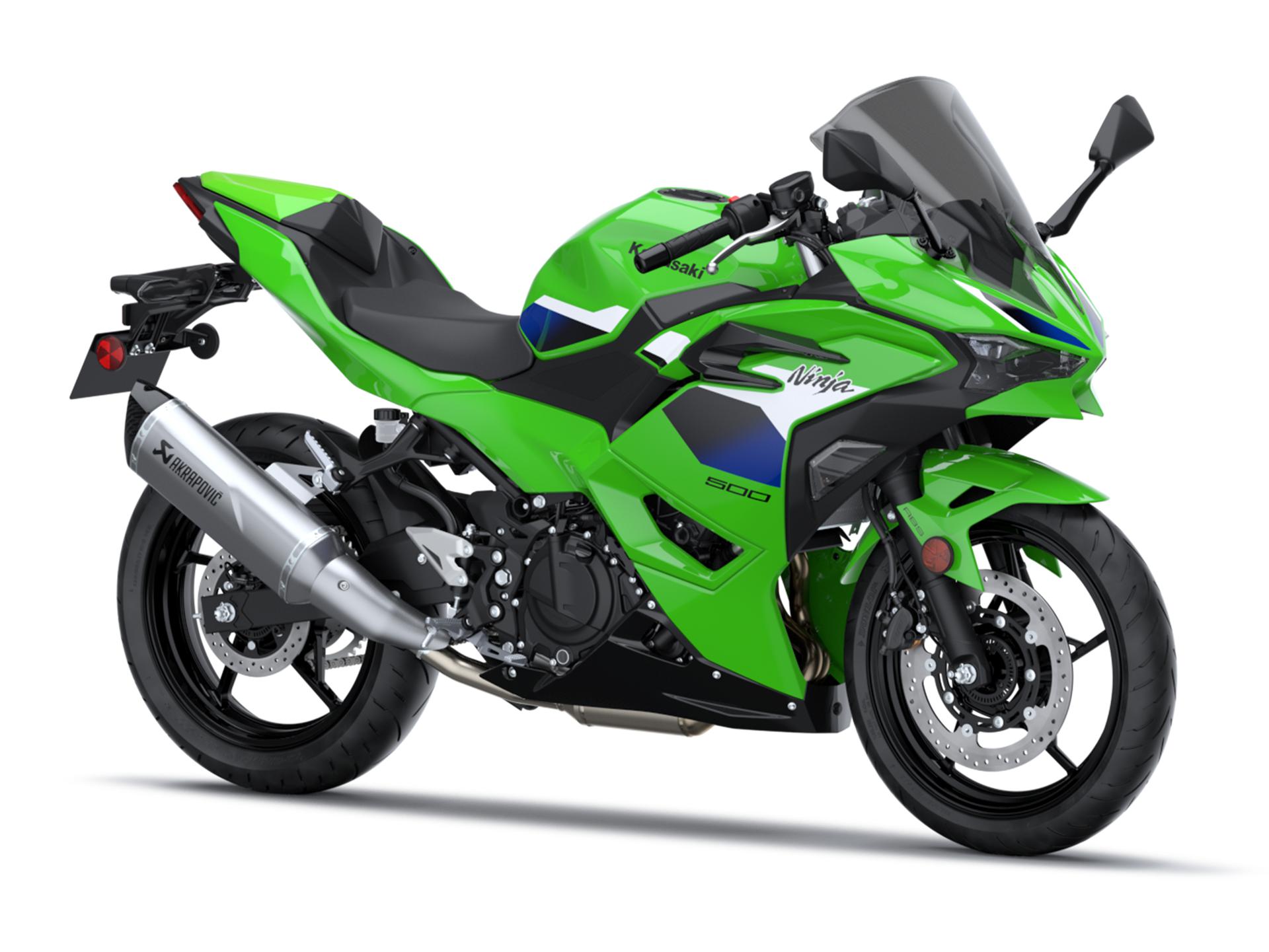
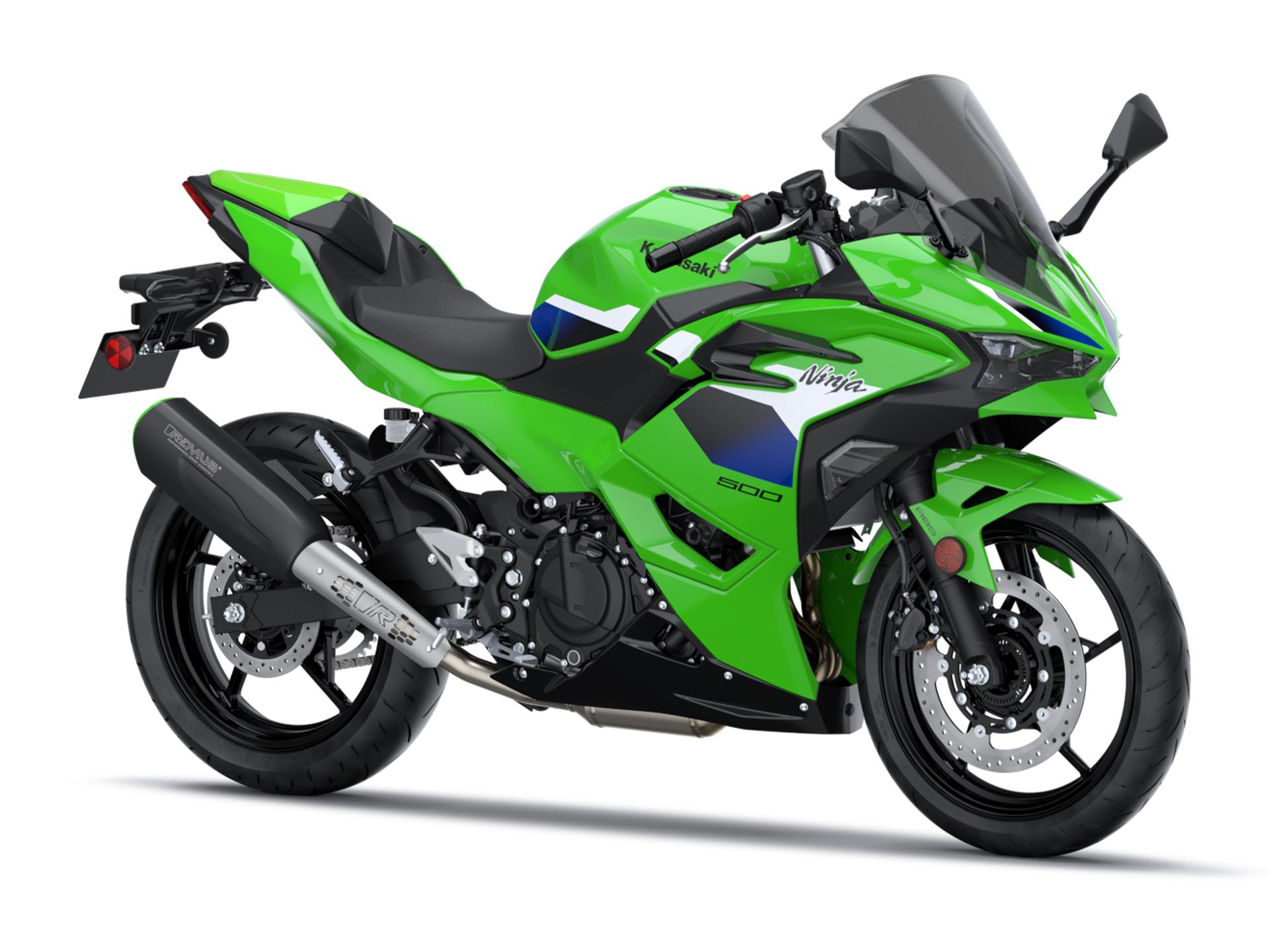
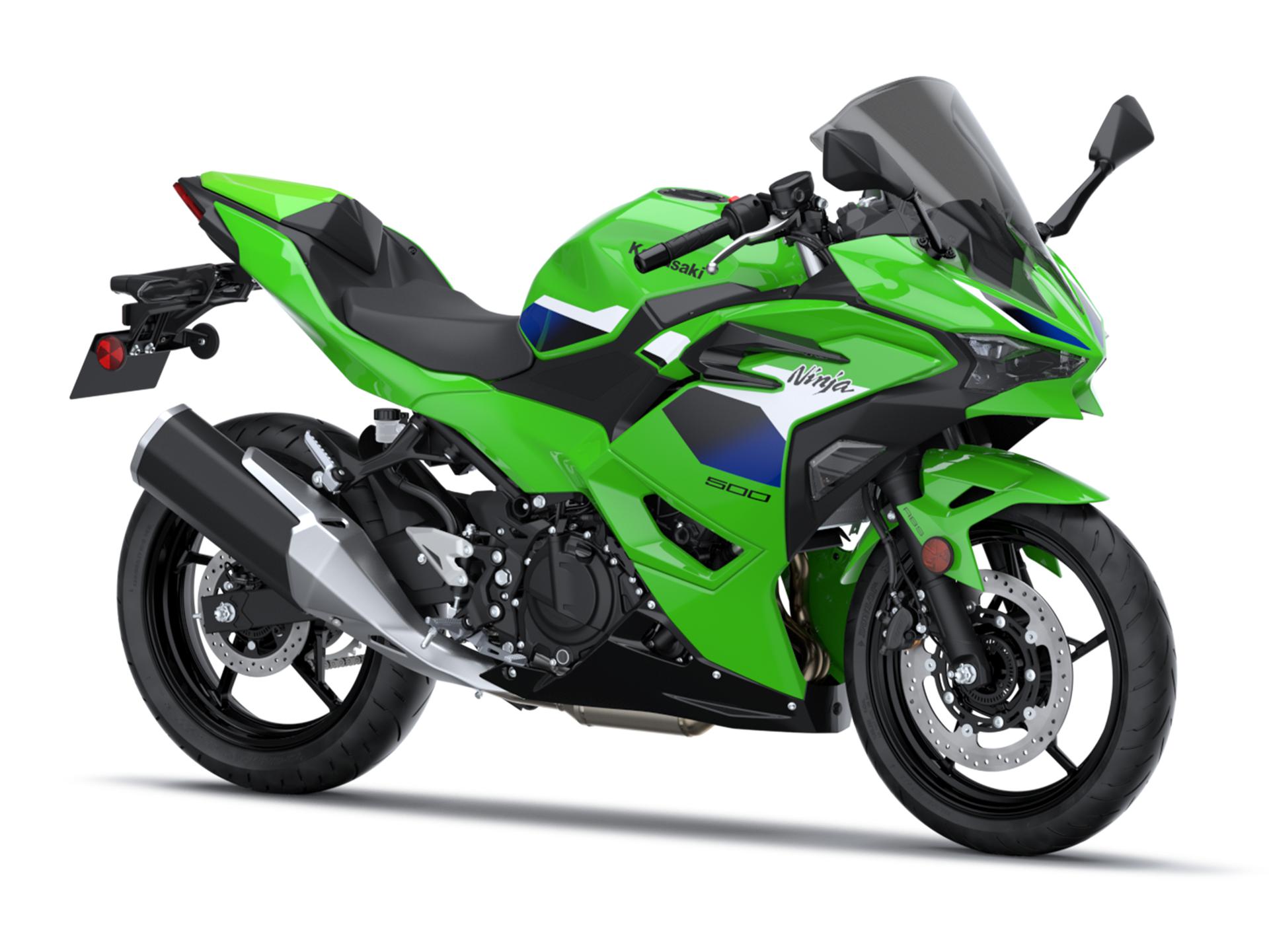
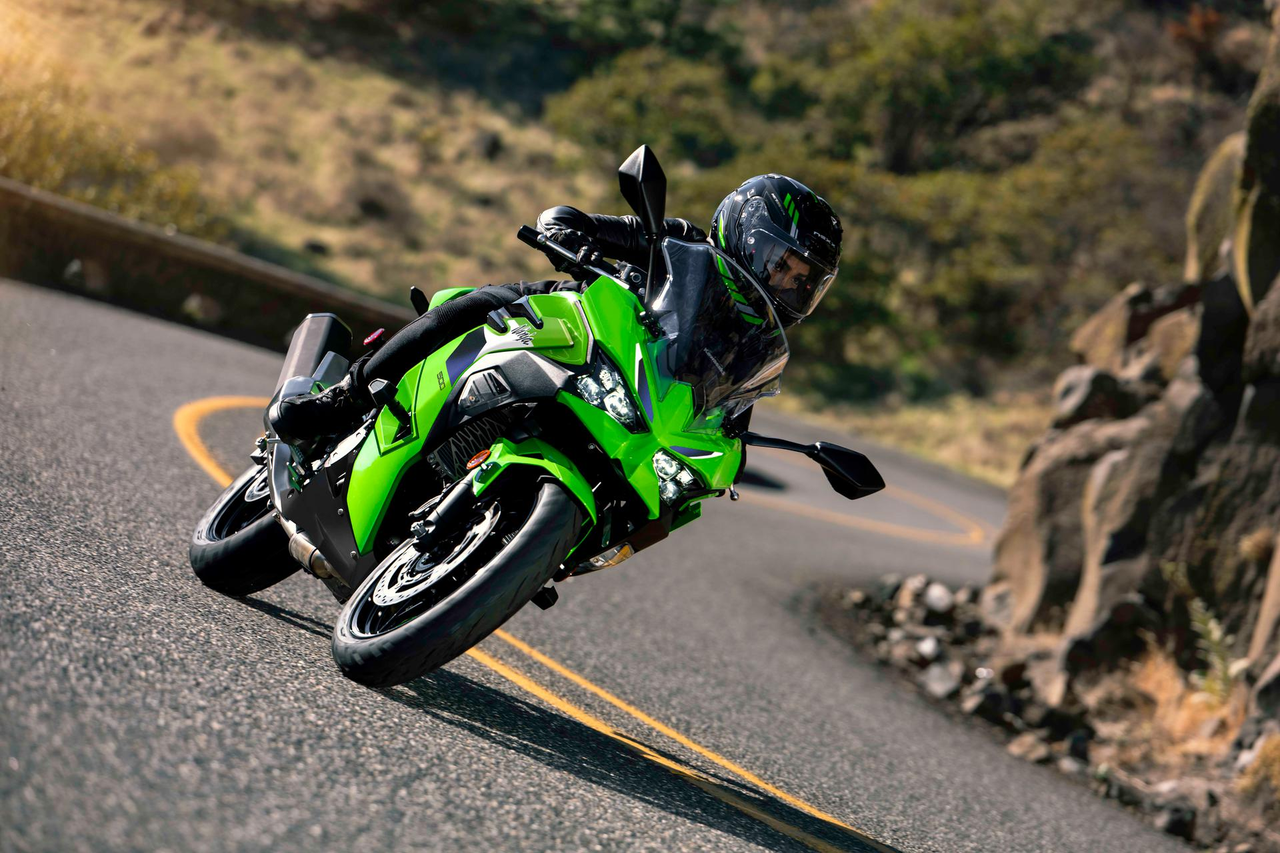
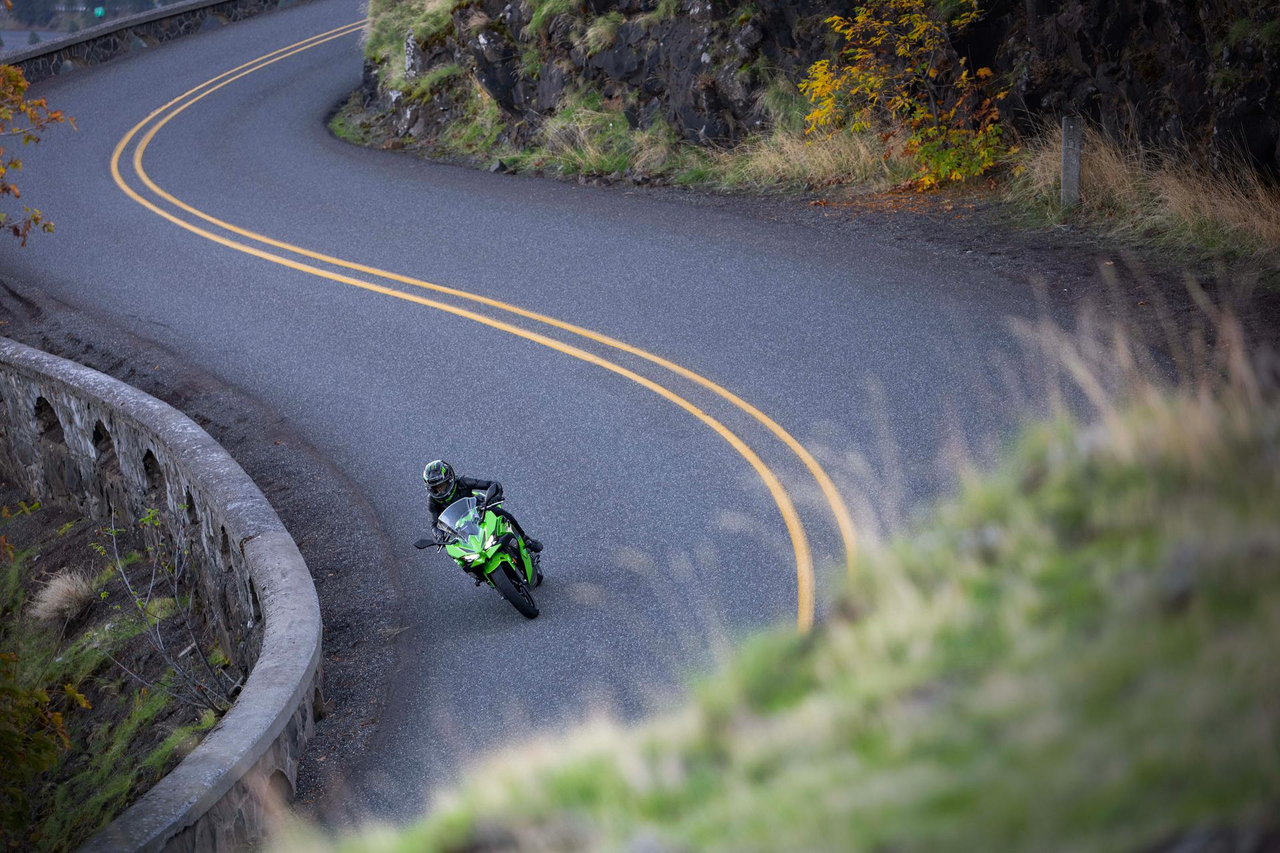
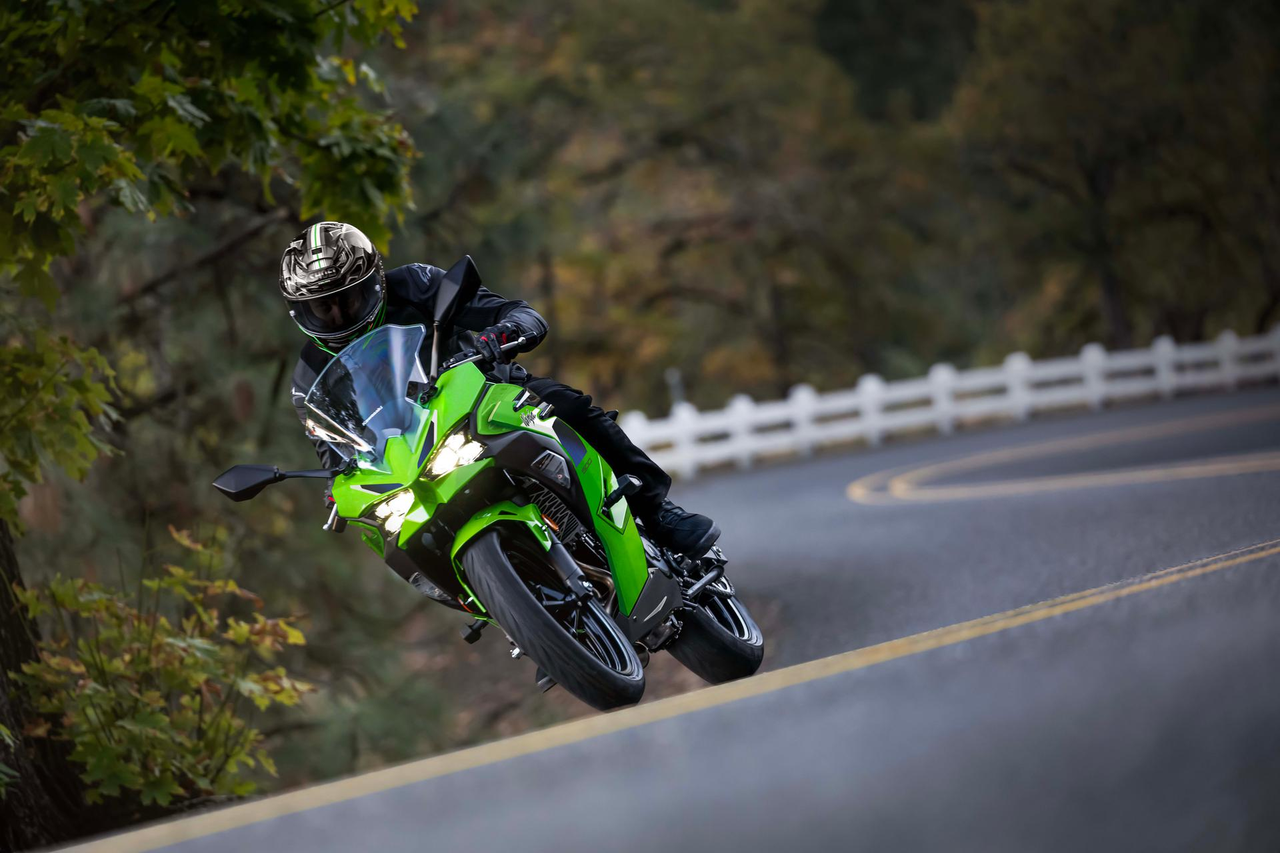
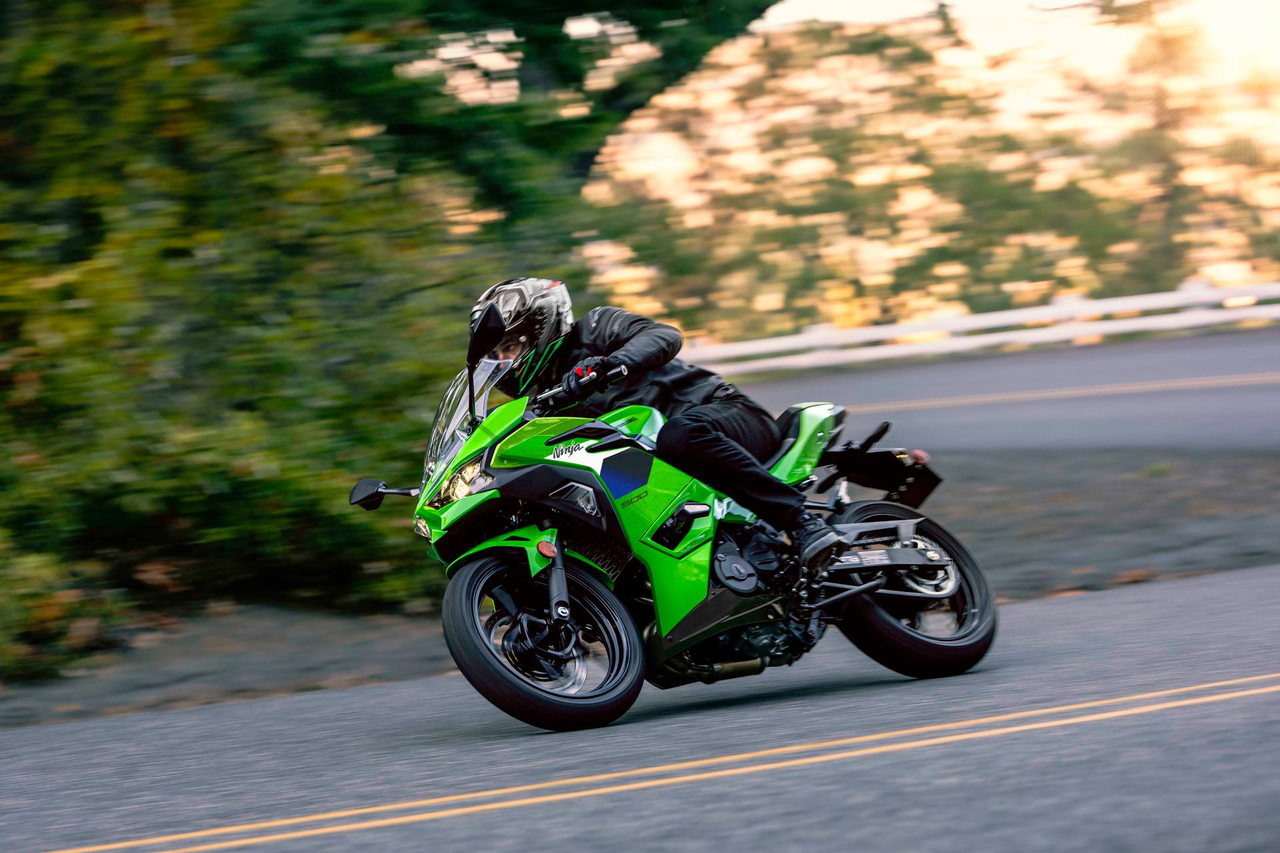
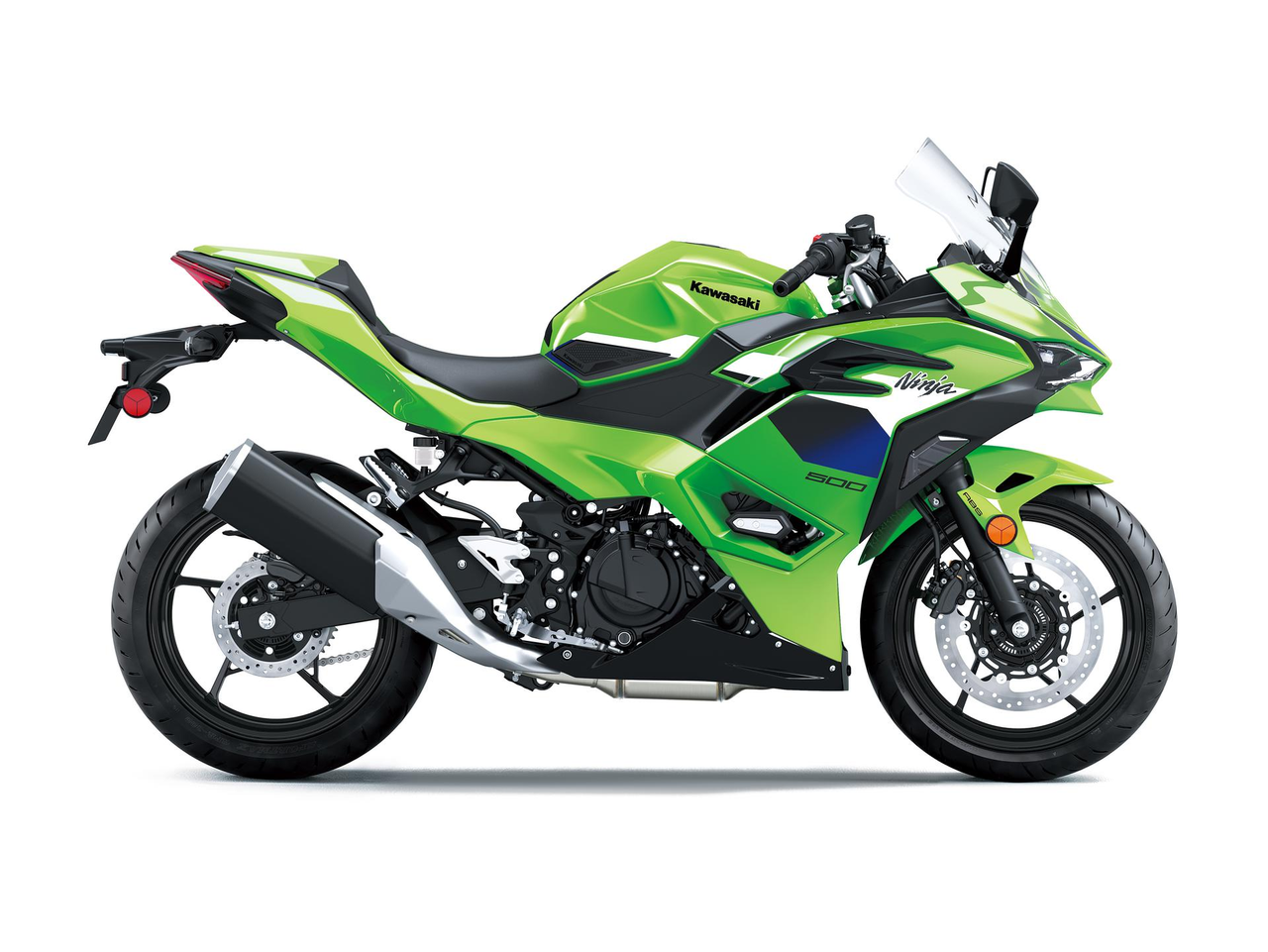
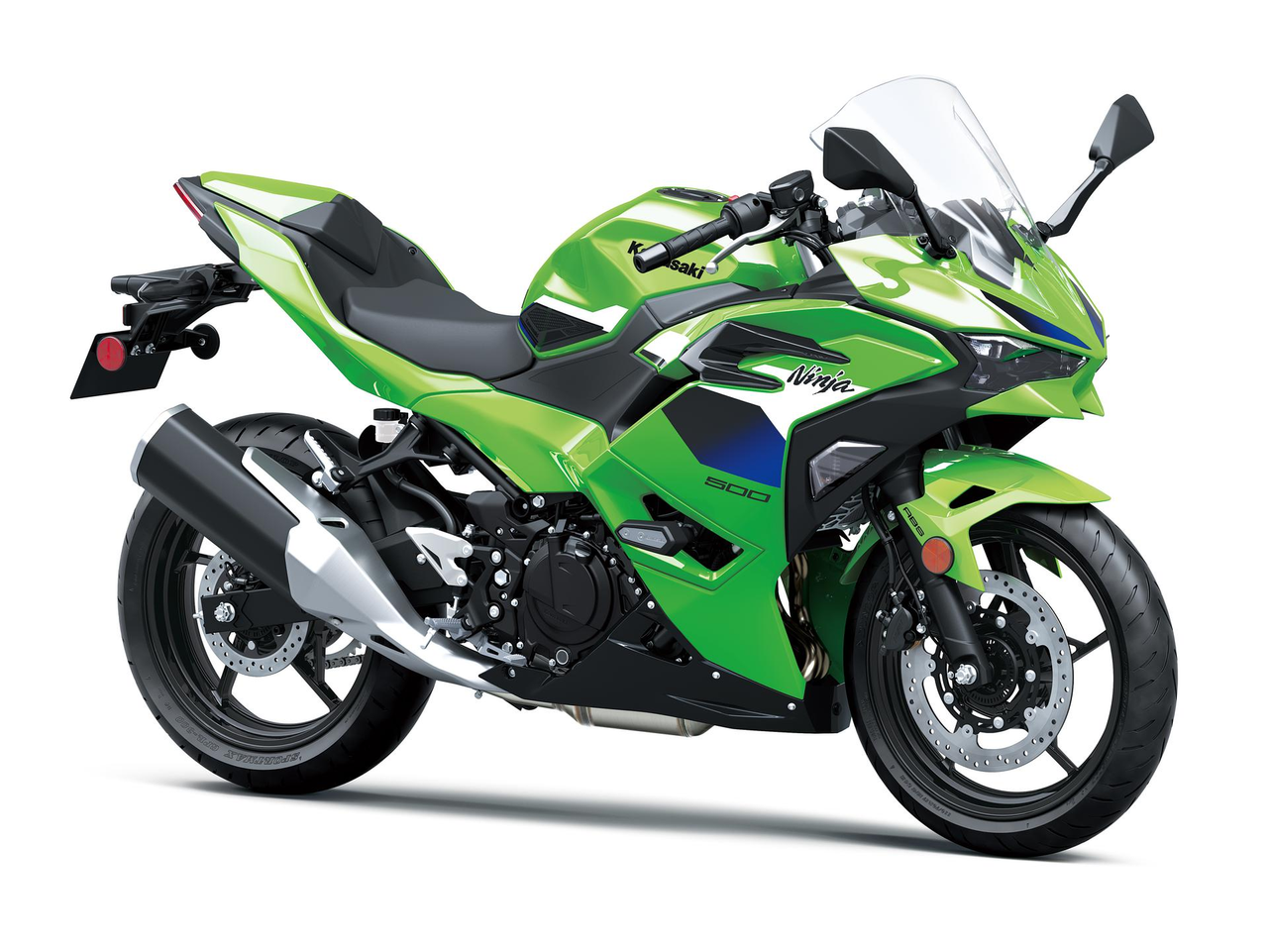
Affichez votre personnalité avec la toute nouvelle Ninja 500, la sportive qui ne passe pas inaperçue. Attirez tous les regards avec le style agressif, signature des motos sportives Ninja, et imposez-vous grâce à son moteur bicylindre de 451 cm³. Vivez les performances légendaires de la Ninja, une moto sportive conçue pour dominer et mener la foule.
Coloris
Show all
Afficher moins
Accessoires du pack
Show all
Afficher moins
Accessoires du pack
Show all
Afficher moins
Accessoires du pack
Show all
Afficher moins
Accessoires du pack
à partir de €7,099.00
Prix du Pack Sport €300.00
Inpage Navigation Section: Galerie
Inpage Navigation Section: Caractéristiques et spécifications
While seat height is 785 mm, the slim design of both the seat and the rear of the engine gives riders an unobstructed line for their feet to reach the ground. The seat’s flat shape offers ample padding in the front portion without sacrificing the comfortable reach to the ground, which helps riders enjoy the bike with confidence.
Seats with thick cushioning and low-rebound urethane contribute to superb ride comfort. The Ninja 500’s large volume bodywork also offers great wind protection, further contributing to ride comfort.
No matter from what angle the Ninja 500 is seen, its distinctive front face and sleek, flowing lines make it clear that this is a member of the Ninja family, with race-inspired, big-bike looks. The shape of the full-fairing bodywork fosters a sense of unity with the rider, helping them feel at one with the bike.
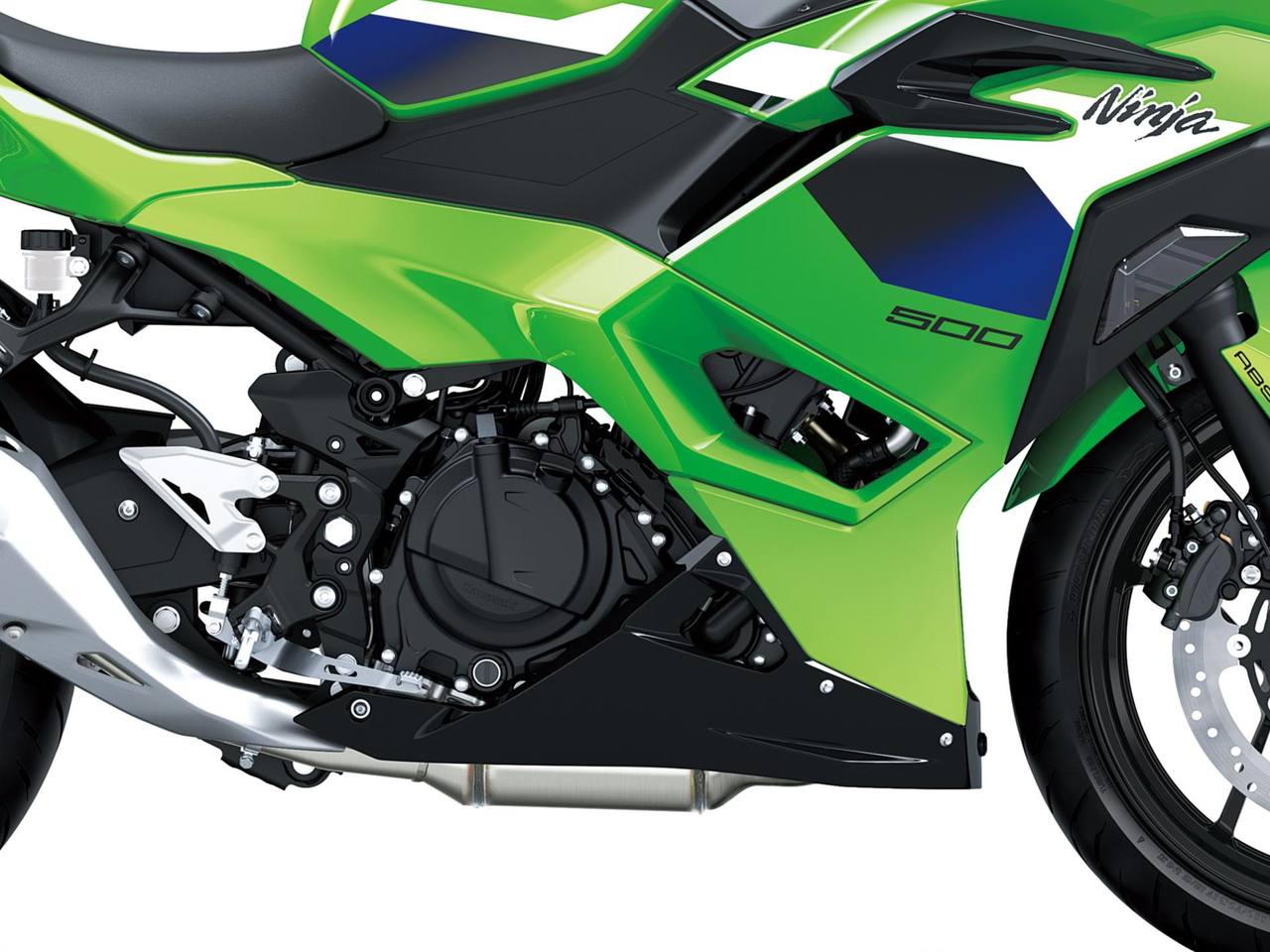
The power available from the 451 cm3 engine is found through the entire rpm range to make it easy for riders to use, no matter what kind of riding they are doing, from low-end power for accelerating off the line in the city to top end revs for riding on the highway. The engine in the new Ninja 500 is up the task, no matter what it may be.
Smooth, powerful acceleration is available with a twist of the wrist from a new 451 cm3 engine. The acceleration feels brisk thanks to plenty of power in the low- to mid-rpm range, and, when the throttle stays on, enough power in the high-rpm range to hit higher speeds with ease. With well-balanced power output and strong acceleration throughout the rev range, the combination of this engine with a lightweight chassis makes the machine well-suited to a wide variety of riding situations including everyday riding.
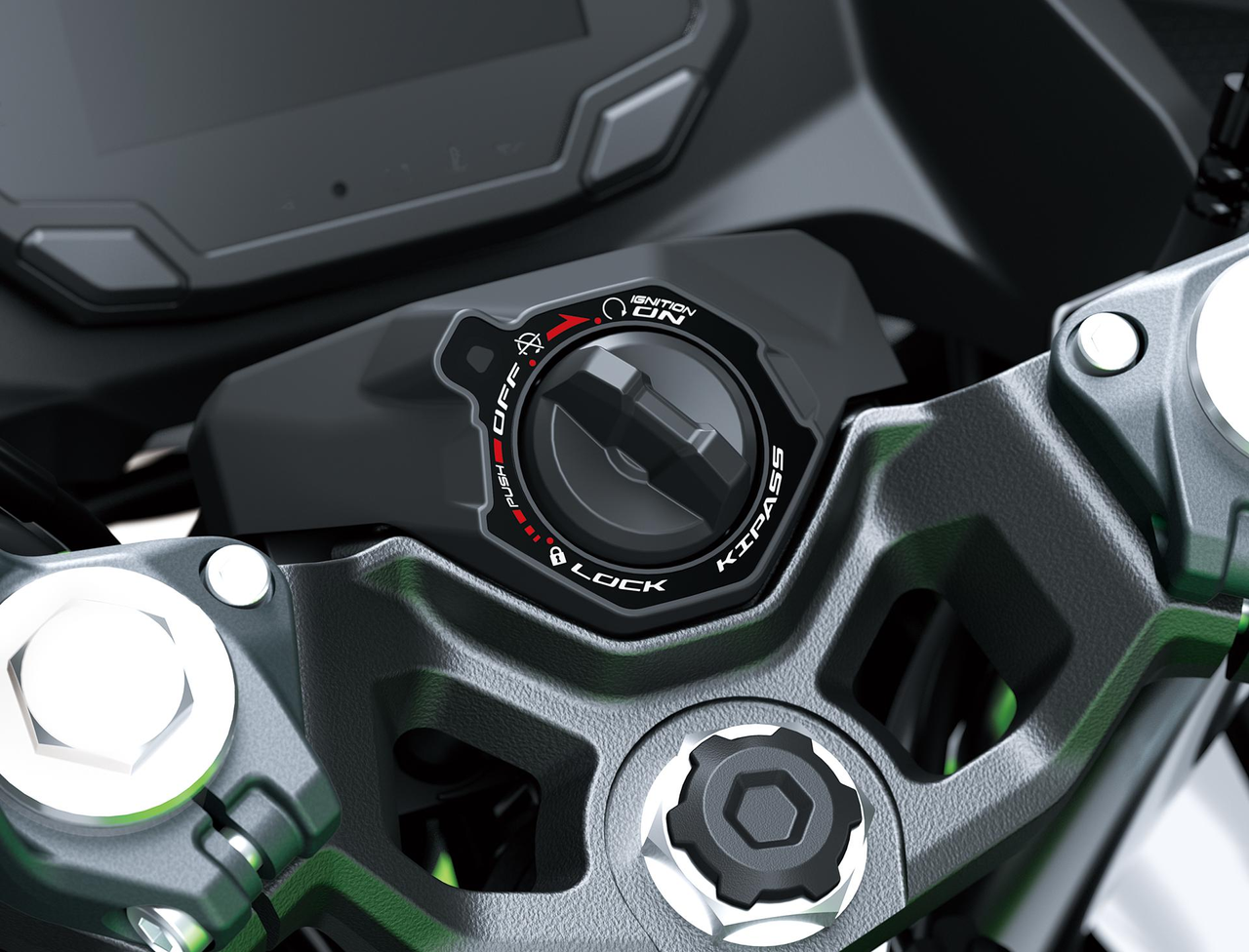
KIPASS (Kawasaki’s Intelligent Proximity Activation Start System) is a master key system that allows remote activation of the bike’s main switch and steering lock.
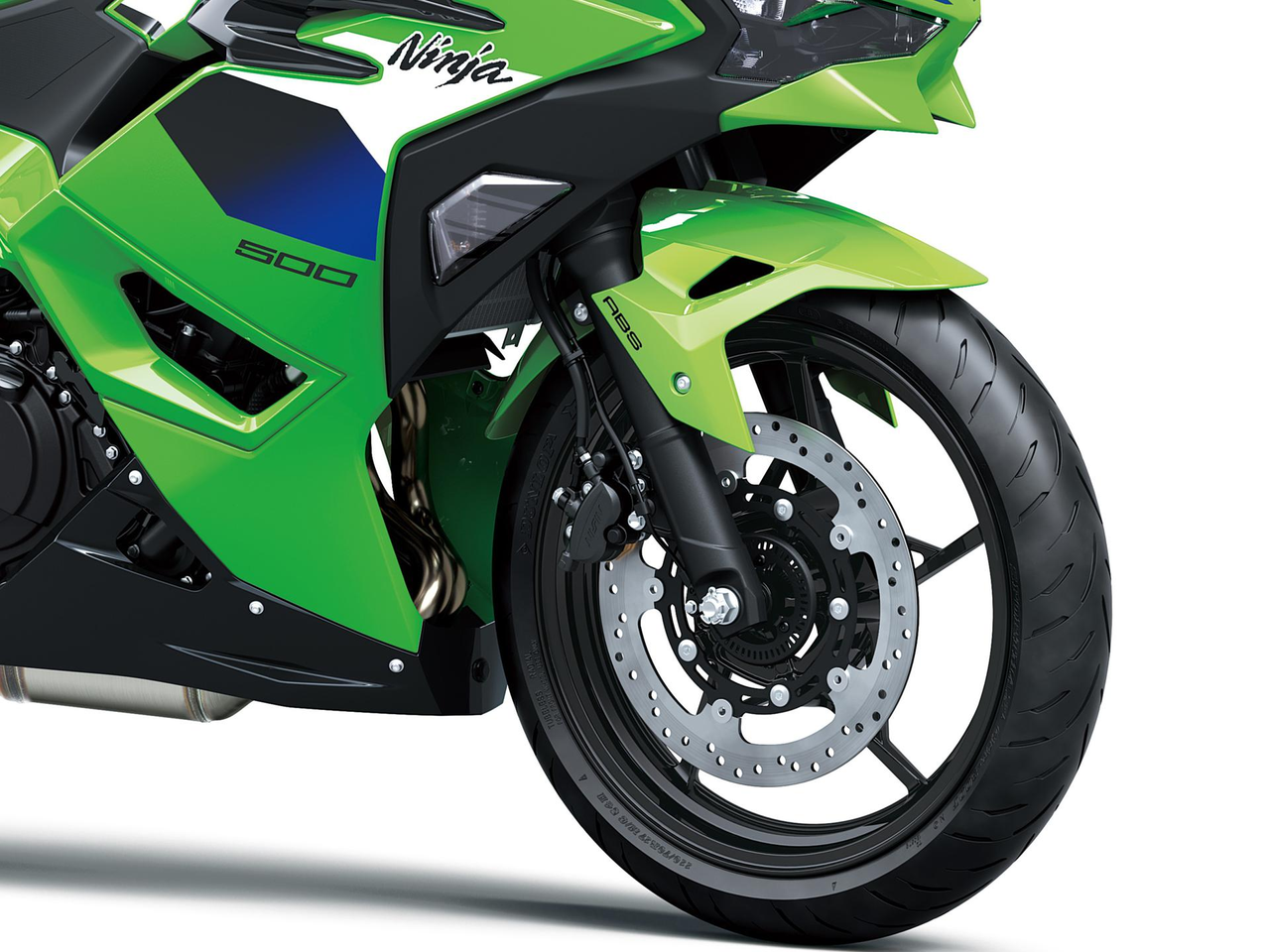
Measuring Ø 310 mm (the same disc size used on the Ninja ZX-14R), the Ninja 500’s semi-floating front disc offers sure stopping power. ABS models offer added reassurance when riding.
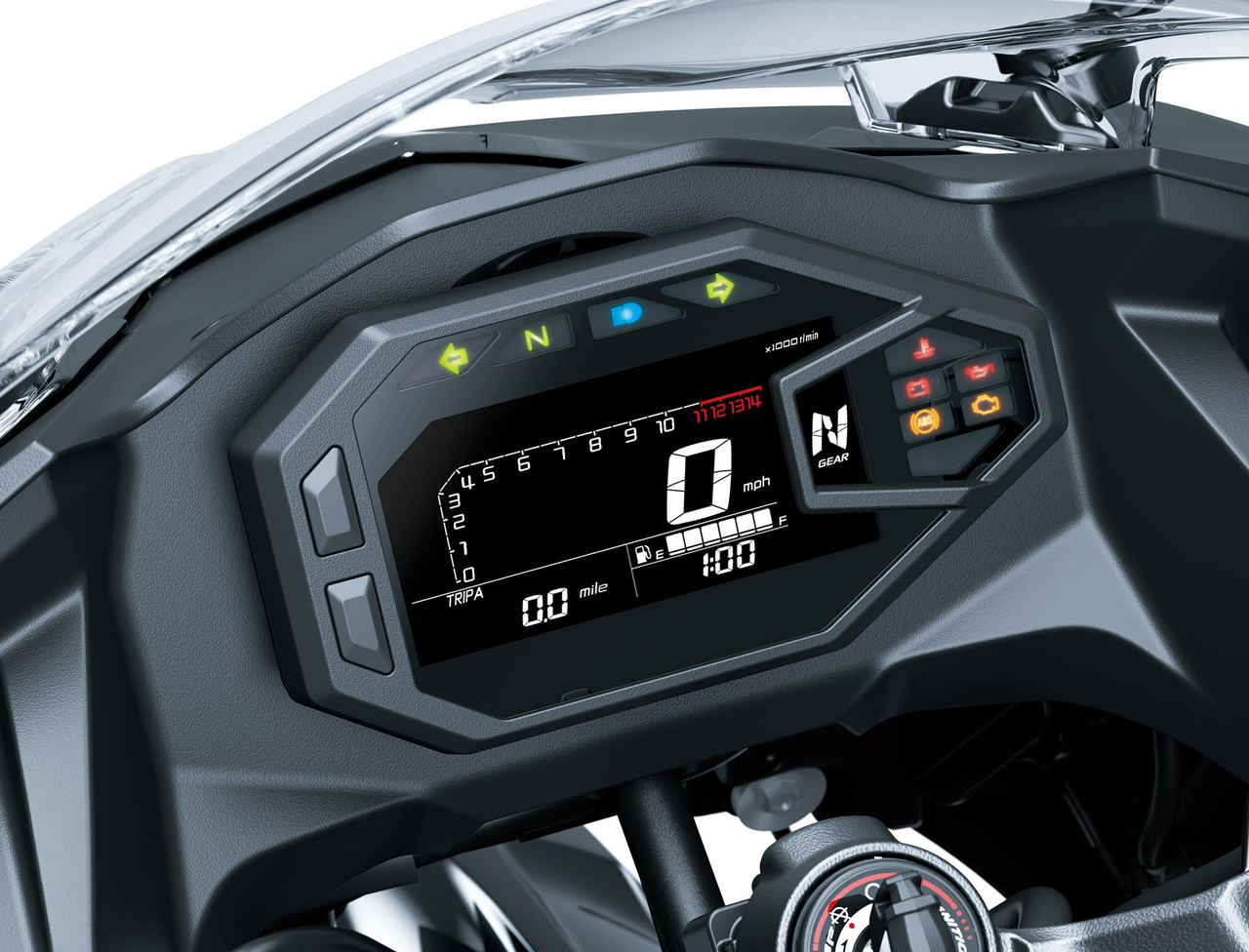
Both the full LCD instrument panel on the standard models and the TFT display on the SE models offer smartphone connectivity, enabling riders to connect with their machines to enjoy display notifications, riding logs, and community features.
Relaxed rider triangle accommodates a wide range of rider sizes and riding situations. Compared to some other models (whose somewhat extreme riding position compromises comfort), the elevated handle position and slightly foot-forward footpeg position put the rider in a position to control the bike while also offering rider comfort.
Easy to use is the key, as the compact chassis has been designed to be as user-friendly as possible. Predictable handling thanks to a chassis conceived with light weight, maneuverability, and mass centralization in mind provides excellent feel and inspiring confidence for a wide range of riders. The easy handling also facilitates maneuvering when parking.
The Ninja 500’s “face” is based around two newly designed compact headlights. Below them two spoilers protrude forward and complete the striking look.
Kawasaki’s Assist & Slipper Clutch results in a light clutch pull for even more rider-friendly and manageable riding in everyday situations, and reduced skipping and hopping from the rear for better sport riding and added confidence.
Moving from front to rear with a flowing, layered design, the bodywork on the new Ninja 500 offers a fresh impression, while sporty elements give the machine a purposeful, race-inspired look that owners will be proud to own and show off.
The Ninja 500 features a trellis frame similar in design to that of the Ninja H2. Kawasaki’s advanced dynamic rigidity analysis was used to ensure optimum rigidity with light weight. The engine is rigid-mounted and used as a stressed member. The frame design contributes significantly to the bike’s low curb mass. The compact trellis frame offers a light estimated dry weight of 157 kg.
The chassis has a supersport-style short-wheelbase/long swingarm design, complemented by an optimized trail setting that delivers light, natural handling. The bike’s light weight also contributes to easy handling and facilitates maneuvering when off the bike, such as when parking.
While seat height is 785 mm, the slim design of both the seat and the rear of the engine gives riders an unobstructed line for their feet to reach the ground. The seat’s flat shape offers ample padding in the front portion without sacrificing the comfortable reach to the ground, which helps riders enjoy the bike with confidence.
Seats with thick cushioning and low-rebound urethane contribute to superb ride comfort. The Ninja 500’s large volume bodywork also offers great wind protection, further contributing to ride comfort.
No matter from what angle the Ninja 500 is seen, its distinctive front face and sleek, flowing lines make it clear that this is a member of the Ninja family, with race-inspired, big-bike looks. The shape of the full-fairing bodywork fosters a sense of unity with the rider, helping them feel at one with the bike.
The power available from the 451 cm3 engine is found through the entire rpm range to make it easy for riders to use, no matter what kind of riding they are doing, from low-end power for accelerating off the line in the city to top end revs for riding on the highway. The engine in the new Ninja 500 is up the task, no matter what it may be.
Smooth, powerful acceleration is available with a twist of the wrist from a new 451 cm3 engine. The acceleration feels brisk thanks to plenty of power in the low- to mid-rpm range, and, when the throttle stays on, enough power in the high-rpm range to hit higher speeds with ease. With well-balanced power output and strong acceleration throughout the rev range, the combination of this engine with a lightweight chassis makes the machine well-suited to a wide variety of riding situations including everyday riding.
KIPASS (Kawasaki’s Intelligent Proximity Activation Start System) is a master key system that allows remote activation of the bike’s main switch and steering lock.
Measuring Ø 310 mm (the same disc size used on the Ninja ZX-14R), the Ninja 500’s semi-floating front disc offers sure stopping power. ABS models offer added reassurance when riding.
Both the full LCD instrument panel on the standard models and the TFT display on the SE models offer smartphone connectivity, enabling riders to connect with their machines to enjoy display notifications, riding logs, and community features.
Relaxed rider triangle accommodates a wide range of rider sizes and riding situations. Compared to some other models (whose somewhat extreme riding position compromises comfort), the elevated handle position and slightly foot-forward footpeg position put the rider in a position to control the bike while also offering rider comfort.
Easy to use is the key, as the compact chassis has been designed to be as user-friendly as possible. Predictable handling thanks to a chassis conceived with light weight, maneuverability, and mass centralization in mind provides excellent feel and inspiring confidence for a wide range of riders. The easy handling also facilitates maneuvering when parking.
The Ninja 500’s “face” is based around two newly designed compact headlights. Below them two spoilers protrude forward and complete the striking look.
Kawasaki’s Assist & Slipper Clutch results in a light clutch pull for even more rider-friendly and manageable riding in everyday situations, and reduced skipping and hopping from the rear for better sport riding and added confidence.
Moving from front to rear with a flowing, layered design, the bodywork on the new Ninja 500 offers a fresh impression, while sporty elements give the machine a purposeful, race-inspired look that owners will be proud to own and show off.
The Ninja 500 features a trellis frame similar in design to that of the Ninja H2. Kawasaki’s advanced dynamic rigidity analysis was used to ensure optimum rigidity with light weight. The engine is rigid-mounted and used as a stressed member. The frame design contributes significantly to the bike’s low curb mass. The compact trellis frame offers a light estimated dry weight of 157 kg.
The chassis has a supersport-style short-wheelbase/long swingarm design, complemented by an optimized trail setting that delivers light, natural handling. The bike’s light weight also contributes to easy handling and facilitates maneuvering when off the bike, such as when parking.
Le système de démarrage intelligent à activation par proximité Kawasaki (KIPASS) est un système de clé qui permet l'activation à distance l'interrupteur principal et le verrou de direction de la moto.
Grâce au système KIPASS, un pilote en possession d'un transpondeur compact dans une poche peut télédéverrouiller le verrou de direction et l'interrupteur principal simplement en s'approchant de sa moto. Le système KIPASS de la moto reçoit le signal du transpondeur et le reconnaît lorsque le pilote se trouve à proximité de la moto. Le KIPASS se révèle un antivol pratique, car chaque transpondeur émet un signal unique, tout comme un antidémarreur. Le signal est aussi reconnu lorsque le transpondeur se trouve dans la poche d'un blouson. Le pilote n'a donc pas besoin de s'emparer de la clé pour manœuvrer l'interrupteur général de la moto. * Ce système utilise l'algorithme de cryptage "MISTY", développé par MITSUBISHI ELECTRIC CORPORATION.
La connectivité smartphone améliore l'expérience de conduite en permettant aux pilotes de se connecter sans fil à leur moto.
Une technologie innovante permet aux motards de se connecter sans fil à leur moto. Grâce à l'application smartphone RIDEOLOGY THE APP, plusieurs fonctions de l'instrumentation peuvent être consultées, offrant ainsi une expérience de conduite améliorée. Les informations du véhicule (comme le compteur kilométrique, le niveau de carburant, le programme de maintenance, etc.) peuvent être affichées sur le smartphone. Les instrumentation de conduite (qui varient selon le modèle, mais peuvent inclure le trajet GPS, la position du rapport, les tr/min et d'autres informations) sont également accessibles via le smartphone. Lorsqu'il est connecté, les notifications du téléphone (appel, e-mail) sont affichées sur le tableau de bord. Les conducteurs peuvent également modifier les réglages de l'affichage des instruments de leur moto (unités préférées, réglage de l'horloge et de la date, etc.) via le smartphone. Sur certains modèles, il est même possible de vérifier et d'ajuster les paramètres du véhicule (comme le mode pilote, les fonctionnalités électroniques d'assistance au conducteur et les paramètres de charge) via le smartphone.
Basé sur la technologie utilisée en course, l’embrayage "Assist & Slipper" agit à la fois comme un limiteur de couple arrière et comme un mécanisme d'auto-asservissement, ce qui réduit l’effet négatif du frein moteur et permet une manipulation plus facile du levier d'embrayage.
Développé à partir des retours d’informations issus des circuits, l’embrayage "Assist & Slipper" utilise deux types de cames (une came de verrouillage et une came de glissement) pour comprimer ou séparer les plateaux de pression de la cloche d’embrayage. En usage normal, la came de verrouillage fonctionne comme un mécanisme d’auto-assistance en comprimant les disques d’embrayage à l’aide des plateaux de pression. Cela permet de réduire la compression des ressorts d’embrayage, adoucissant ainsi la commande de l'embrayage et rendant la manipulation du levier plus souple. Lors d’un excès de frein moteur, dû à un rétrogradage trop rapide ou à un rétrogradage accidentel, la came de glissement entre en action. Elle désolidarise les plateaux de pression de la cloche d’embrayage, soulageant ainsi la pression exercée sur les disques d’embrayage et contribuant à limiter les rebonds et le blocage de la roue arrière. Cette fonction d’aide au pilotage est particulièrement utile pour une conduite sportive ou sur circuit.
L'ERGO-FIT est une interface qui permet à tout type de pilote de se sentir parfaitement en harmonie avec sa machine, en garantissant qu'il soit aussi à l'aise que possible.
Une bonne position de conduite est essentielle pour que le pilote roule confortablement et se sente à l'aise. Cependant, la position idéale varie d'un pilote à l'autre, en fonction des mensurations physiques et du style de conduite de chacun. L'ERGO-FIT est un système conçu pour permettre aux pilotes d'adapter leur machine afin de trouver leur position de conduite idéale. Divers éléments (guidon, repose-pieds, selle, etc.) peuvent être ajustés grâce à une combinaison de pièces interchangeables et de pièces réglables. Cela permet à un large éventail de pilotes de trouver leur position de conduite optimale, alliant confort et maniabilité. En parfaite harmonie avec leur machine, ils pourront découvrir pourquoi les motos Kawasaki sont si amusantes et gratifiantes à piloter. * Les éléments réglables et leurs amplitudes de réglage varient selon les modèles.
L'indicateur de conduite économique est un symbole qui apparaît sur le tableau de bord pour indiquer une consommation de carburant favorable, encourageant ainsi une conduite économiquement efficace.
Grâce à un contrôle électronique de haute précision de la gestion du moteur, les modèles Kawasaki peuvent atteindre un niveau élevé d'efficacité énergétique. Cependant, la consommation de carburant est fortement influencée par l'utilisation de l'accélérateur, le choix des rapports et d'autres éléments sous le contrôle du pilote. L'indicateur de conduite économique est une fonction qui signale lorsque les conditions de conduite actuelles consomment peu de carburant. Le système surveille en continu la consommation de carburant, quelle que soit la vitesse du véhicule, la vitesse du moteur, la position de l'accélérateur et les autres conditions de conduite. Lorsque la consommation de carburant est faible pour une vitesse donnée (c'est-à-dire que l'efficacité énergétique est élevée), un symbole "ECO" apparaît sur l'écran LCD du tableau de bord. En roulant de manière à ce que le symbole "ECO" reste allumé, la consommation de carburant peut être réduite. Bien que la vitesse du véhicule et la vitesse du moteur efficaces puissent varier selon les modèles, prêter attention aux conditions qui déclenchent l'apparition du symbole "ECO" peut aider les pilotes à améliorer leur efficacité énergétique – une façon pratique d'augmenter l'autonomie. De plus, maintenir une consommation de carburant faible aide également à minimiser l'impact négatif sur l'environnement.
L'ABS (Anti-lock Brake System) assure une performance de freinage idéale en évitant le blocage des roues lors des phases de forte décélération.
Une sollicitation soudaine des freins ou un freinage sur une surface à faible adhérence (comme une chaussée mouillée ou une plaque d’égout) peut entraîner un blocage des roues et provoquer une glissade. L’ABS a été conçu pour éviter de tels incidents. Les systèmes d'ABS de Kawasaki sont contrôlés par des algorithmes de haute précision et une programmation spécifiquement configurée pour une grande variété de situations de conduite. En garantissant un freinage stable et constant en toutes circonstances, les ABS Kawasaki offrent une plus grande sécurité au pilote tout en contribuant à un plaisir de conduite accru. Pour répondre aux besoins spécifiques de certains pilotes, des systèmes ABS spécialisés sont également disponibles. Par exemple, le KIBS (Kawasaki Intelligent Anti-lock Brake System / Système Anti-Blocage des roues Intelligent Kawasaki) est un système de freinage de haute précision, spécialement conçu pour les modèles sportifs, permettant aux pilotes de tirer pleinement parti de leur machine sur circuit. De plus, en combinant les freins avant et arrière, l’ABS K-ACT (Kawasaki Advanced Coactive-braking Technology / Technologie de freinage co-actif avancée Kawasaki) offre une conduite rassurante sur nos modèles de très grosses cylindrées. Kawasaki continue de développer des systèmes ABS de pointe pour offrir toujours plus de sécurité et de performance.
Le système de démarrage intelligent à activation par proximité Kawasaki (KIPASS) est un système de clé qui permet l'activation à distance l'interrupteur principal et le verrou de direction de la moto.
Grâce au système KIPASS, un pilote en possession d'un transpondeur compact dans une poche peut télédéverrouiller le verrou de direction et l'interrupteur principal simplement en s'approchant de sa moto. Le système KIPASS de la moto reçoit le signal du transpondeur et le reconnaît lorsque le pilote se trouve à proximité de la moto. Le KIPASS se révèle un antivol pratique, car chaque transpondeur émet un signal unique, tout comme un antidémarreur. Le signal est aussi reconnu lorsque le transpondeur se trouve dans la poche d'un blouson. Le pilote n'a donc pas besoin de s'emparer de la clé pour manœuvrer l'interrupteur général de la moto. * Ce système utilise l'algorithme de cryptage "MISTY", développé par MITSUBISHI ELECTRIC CORPORATION.
La connectivité smartphone améliore l'expérience de conduite en permettant aux pilotes de se connecter sans fil à leur moto.
Une technologie innovante permet aux motards de se connecter sans fil à leur moto. Grâce à l'application smartphone RIDEOLOGY THE APP, plusieurs fonctions de l'instrumentation peuvent être consultées, offrant ainsi une expérience de conduite améliorée. Les informations du véhicule (comme le compteur kilométrique, le niveau de carburant, le programme de maintenance, etc.) peuvent être affichées sur le smartphone. Les instrumentation de conduite (qui varient selon le modèle, mais peuvent inclure le trajet GPS, la position du rapport, les tr/min et d'autres informations) sont également accessibles via le smartphone. Lorsqu'il est connecté, les notifications du téléphone (appel, e-mail) sont affichées sur le tableau de bord. Les conducteurs peuvent également modifier les réglages de l'affichage des instruments de leur moto (unités préférées, réglage de l'horloge et de la date, etc.) via le smartphone. Sur certains modèles, il est même possible de vérifier et d'ajuster les paramètres du véhicule (comme le mode pilote, les fonctionnalités électroniques d'assistance au conducteur et les paramètres de charge) via le smartphone.
Basé sur la technologie utilisée en course, l’embrayage "Assist & Slipper" agit à la fois comme un limiteur de couple arrière et comme un mécanisme d'auto-asservissement, ce qui réduit l’effet négatif du frein moteur et permet une manipulation plus facile du levier d'embrayage.
Développé à partir des retours d’informations issus des circuits, l’embrayage "Assist & Slipper" utilise deux types de cames (une came de verrouillage et une came de glissement) pour comprimer ou séparer les plateaux de pression de la cloche d’embrayage. En usage normal, la came de verrouillage fonctionne comme un mécanisme d’auto-assistance en comprimant les disques d’embrayage à l’aide des plateaux de pression. Cela permet de réduire la compression des ressorts d’embrayage, adoucissant ainsi la commande de l'embrayage et rendant la manipulation du levier plus souple. Lors d’un excès de frein moteur, dû à un rétrogradage trop rapide ou à un rétrogradage accidentel, la came de glissement entre en action. Elle désolidarise les plateaux de pression de la cloche d’embrayage, soulageant ainsi la pression exercée sur les disques d’embrayage et contribuant à limiter les rebonds et le blocage de la roue arrière. Cette fonction d’aide au pilotage est particulièrement utile pour une conduite sportive ou sur circuit.
L'ERGO-FIT est une interface qui permet à tout type de pilote de se sentir parfaitement en harmonie avec sa machine, en garantissant qu'il soit aussi à l'aise que possible.
Une bonne position de conduite est essentielle pour que le pilote roule confortablement et se sente à l'aise. Cependant, la position idéale varie d'un pilote à l'autre, en fonction des mensurations physiques et du style de conduite de chacun. L'ERGO-FIT est un système conçu pour permettre aux pilotes d'adapter leur machine afin de trouver leur position de conduite idéale. Divers éléments (guidon, repose-pieds, selle, etc.) peuvent être ajustés grâce à une combinaison de pièces interchangeables et de pièces réglables. Cela permet à un large éventail de pilotes de trouver leur position de conduite optimale, alliant confort et maniabilité. En parfaite harmonie avec leur machine, ils pourront découvrir pourquoi les motos Kawasaki sont si amusantes et gratifiantes à piloter. * Les éléments réglables et leurs amplitudes de réglage varient selon les modèles.
L'indicateur de conduite économique est un symbole qui apparaît sur le tableau de bord pour indiquer une consommation de carburant favorable, encourageant ainsi une conduite économiquement efficace.
Grâce à un contrôle électronique de haute précision de la gestion du moteur, les modèles Kawasaki peuvent atteindre un niveau élevé d'efficacité énergétique. Cependant, la consommation de carburant est fortement influencée par l'utilisation de l'accélérateur, le choix des rapports et d'autres éléments sous le contrôle du pilote. L'indicateur de conduite économique est une fonction qui signale lorsque les conditions de conduite actuelles consomment peu de carburant. Le système surveille en continu la consommation de carburant, quelle que soit la vitesse du véhicule, la vitesse du moteur, la position de l'accélérateur et les autres conditions de conduite. Lorsque la consommation de carburant est faible pour une vitesse donnée (c'est-à-dire que l'efficacité énergétique est élevée), un symbole "ECO" apparaît sur l'écran LCD du tableau de bord. En roulant de manière à ce que le symbole "ECO" reste allumé, la consommation de carburant peut être réduite. Bien que la vitesse du véhicule et la vitesse du moteur efficaces puissent varier selon les modèles, prêter attention aux conditions qui déclenchent l'apparition du symbole "ECO" peut aider les pilotes à améliorer leur efficacité énergétique – une façon pratique d'augmenter l'autonomie. De plus, maintenir une consommation de carburant faible aide également à minimiser l'impact négatif sur l'environnement.
L'ABS (Anti-lock Brake System) assure une performance de freinage idéale en évitant le blocage des roues lors des phases de forte décélération.
Une sollicitation soudaine des freins ou un freinage sur une surface à faible adhérence (comme une chaussée mouillée ou une plaque d’égout) peut entraîner un blocage des roues et provoquer une glissade. L’ABS a été conçu pour éviter de tels incidents. Les systèmes d'ABS de Kawasaki sont contrôlés par des algorithmes de haute précision et une programmation spécifiquement configurée pour une grande variété de situations de conduite. En garantissant un freinage stable et constant en toutes circonstances, les ABS Kawasaki offrent une plus grande sécurité au pilote tout en contribuant à un plaisir de conduite accru. Pour répondre aux besoins spécifiques de certains pilotes, des systèmes ABS spécialisés sont également disponibles. Par exemple, le KIBS (Kawasaki Intelligent Anti-lock Brake System / Système Anti-Blocage des roues Intelligent Kawasaki) est un système de freinage de haute précision, spécialement conçu pour les modèles sportifs, permettant aux pilotes de tirer pleinement parti de leur machine sur circuit. De plus, en combinant les freins avant et arrière, l’ABS K-ACT (Kawasaki Advanced Coactive-braking Technology / Technologie de freinage co-actif avancée Kawasaki) offre une conduite rassurante sur nos modèles de très grosses cylindrées. Kawasaki continue de développer des systèmes ABS de pointe pour offrir toujours plus de sécurité et de performance.
| Type de moteur | Bicylindre parallèle 4 temps à refroidissement liquide |
|---|---|
| Taux de compression | 11.3:1 |
| Système de distribution | DOHC, 8 valves |
| Alésage x course | 70.0 x 58.6 mm |
| Cylindrée | 451 cm³ |
| Système d'alimentation | : 32 mm x 2 |
| Lubrification | Lubrification forcée, carter humide |
| Système de démarrage | Électrique |
| Système d'allumage | Electronique |
| Puissance maximale | 33.4 kW {45.4 ch} / 9,000 tr/min |
|---|---|
| Couple maximal | 42.6 N•m {4.3 kgf•m} / 6,000 tr/min |
| Emissions de CO2 | 89 g/km |
| Consommation de carburant | 3.8 l/100km |
| Transmission | 6 rapports |
| Embrayage | Embrayage multidisque à bain d'huile |
| Rapport de réduction primaire | 2.029 (69/34) |
| Rapports de première vitesse | 2.929 (41/14) |
| Rapports de seconde vitesse | 2.056 (37/18) |
| Rapports de troisième vitesse | 1.619 (34/21) |
| Rapports de quatrième vitesse | 1.333 (32/24) |
| Rapports de cinquième vitesse | 1.154 (30/26) |
| Rapports de sixième vitesse | 1.037 (28/27) |
| Entraînement final | Chaîne scellée |
| Rapport de réduction finale | 3.071 (43/14) |
| Type de cadre | En treillis tubulaire, acier haute résistance |
|---|---|
| Angle de chasse | 24,5 ° |
| Chasse | 92 mm |
| Débattement de la roue avant | 120 mm |
| Débattement de la roue arrière | 130 mm |
| Pneu, avant | 110/70R17 M/C 54H |
| Pneu, arrière | 150/60 R17 M/C 66H |
| L x l x H | 1,995 x 730 x 1,120 mm |
| Angle de direction G/D | 35° / 35° |
| Empattement | 1,375 mm |
| Garde au sol | 145 mm |
| Capacité de carburant | 14.0 litres |
| Hauteur de selle | 785 mm |
| Poids tous pleins faits* | 172 kg |
| | *Curb mass includes all necessary materials and fluids to operate correctly, full tank of fuel (more than 90 percent capacity) and tool kit (if supplied). |
| Estimated dry weight** | 158 kg |
| | **Estimated Dry weight does not include all necessary materials and fluids to operate correctly, full tank of fuel (more than 90 percent capacity) and tool kit (if supplied). |
| Freins, avant | Frein à disque, montage semi-flottant |
|---|---|
| Diamètre des freins avant | Ø 310 mm |
| Type d'étrier de frein avant | Double piston à actionnement équilibré |
| Freins, arrière | Disque simple |
| Diamètre du frein arrière | Ø 220 mm |
| Type d'étrier de frein arrière | Double piston |
| Suspension, avant | Fourche télescopique |
| Diamètre de la suspension avant | Ø 41 mm |
| Suspension, arrière | Bottom-Link-Uni-Trak, amortisseur à gaz, précharge du ressort réglable |
Inpage Navigation Section: Accessoires
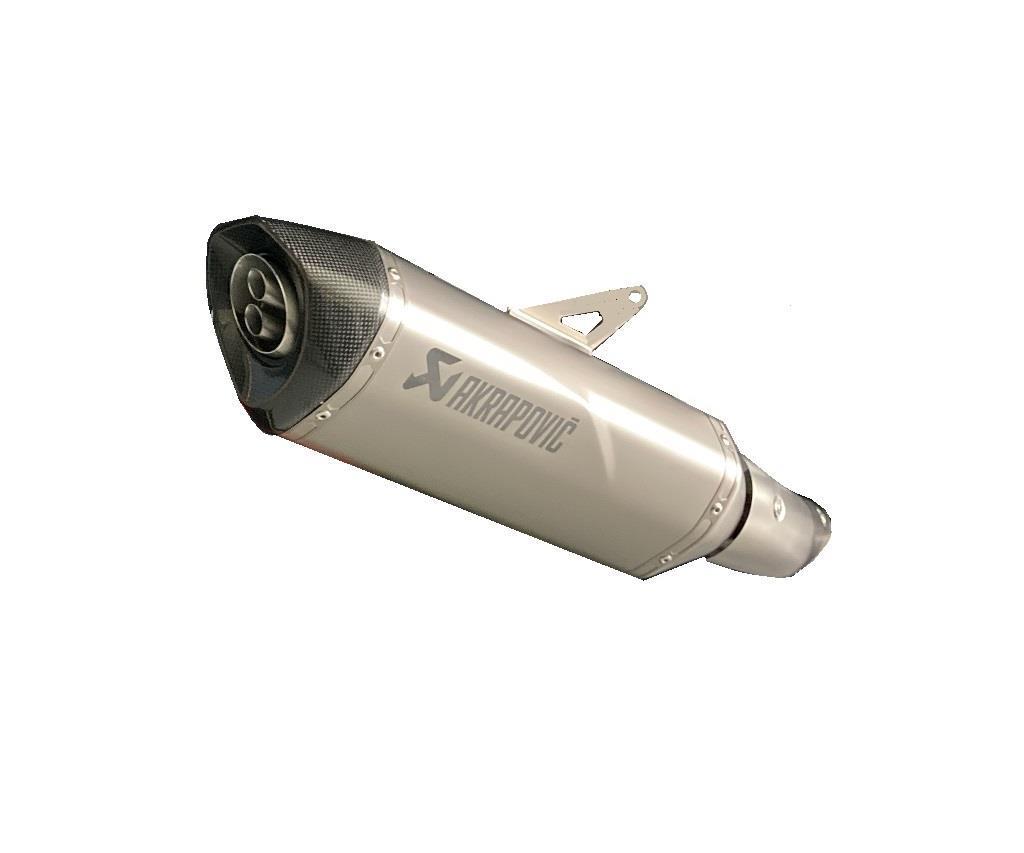
Donnez à votre Kawasaki un look et un son sportif grace à cet échappement adaptable Akrapovic. Plus léger, il augmentera les performance de votre machine, la combinaison du carbon et du titane lui donne une touche racing. Le par chaleurs est inclu. Homologué Euro 5+ et conforme aux normes CE et ECE
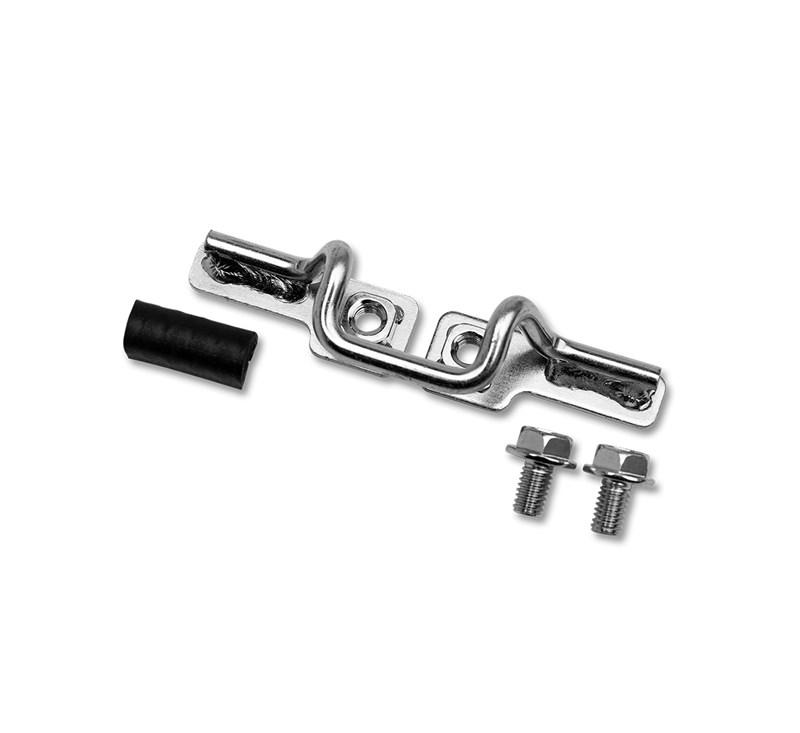
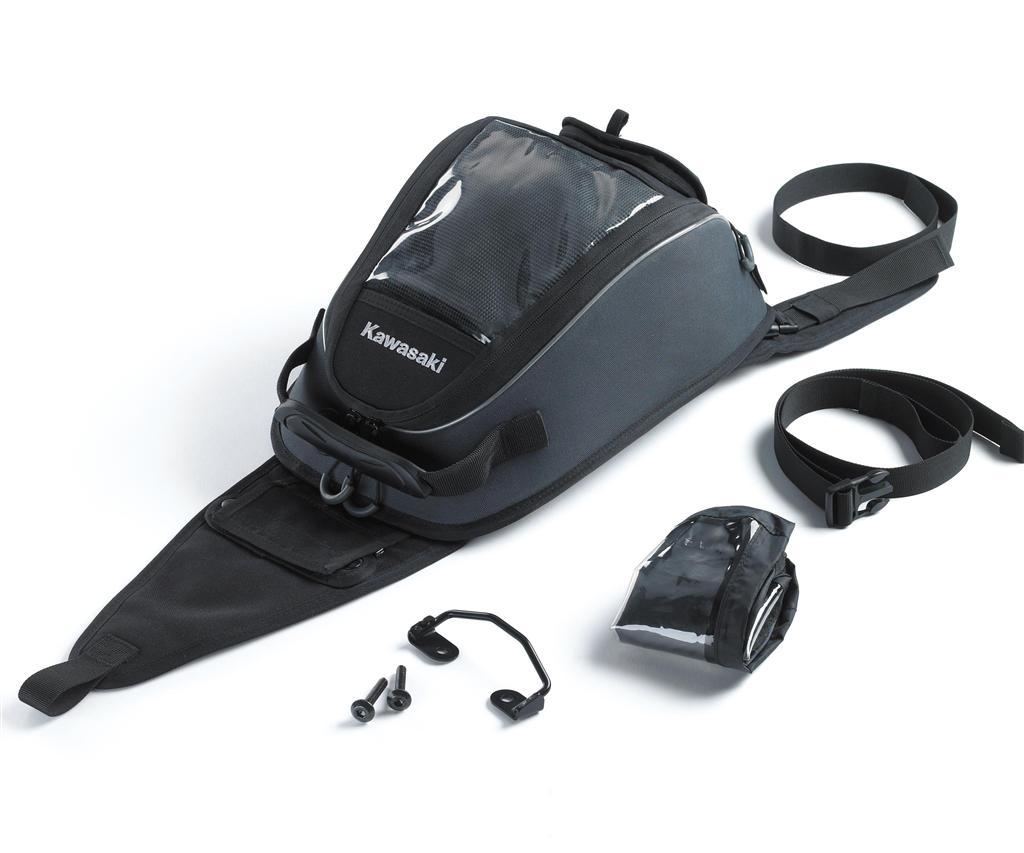
Support de sacoche de réservoir pour Ninja/Z400 et Ninja/Z4500 permettant de fixer la sacoche de réservoir 999940803 (4L)
Sacoche semi-rigide en nylon spécialement conçue pour la forme du réservoir. De couleur noire et grise soulignée de liseré réfléchissant et de logo Kawasaki. Fenêtre et perçage pour écouter votre smartphone ou votre GPS. A l'intérieur, des cloisons empêchent les objets de circuler. Comprenant la bandoulière pour mettre à l'épaule. Long. 350mm, larg. 223mm, haut. 150mm, Poids maximum de chargement 2kg, capacité de charge approximative 4 litres. Un support correspondant est requis pour l'ajustement.
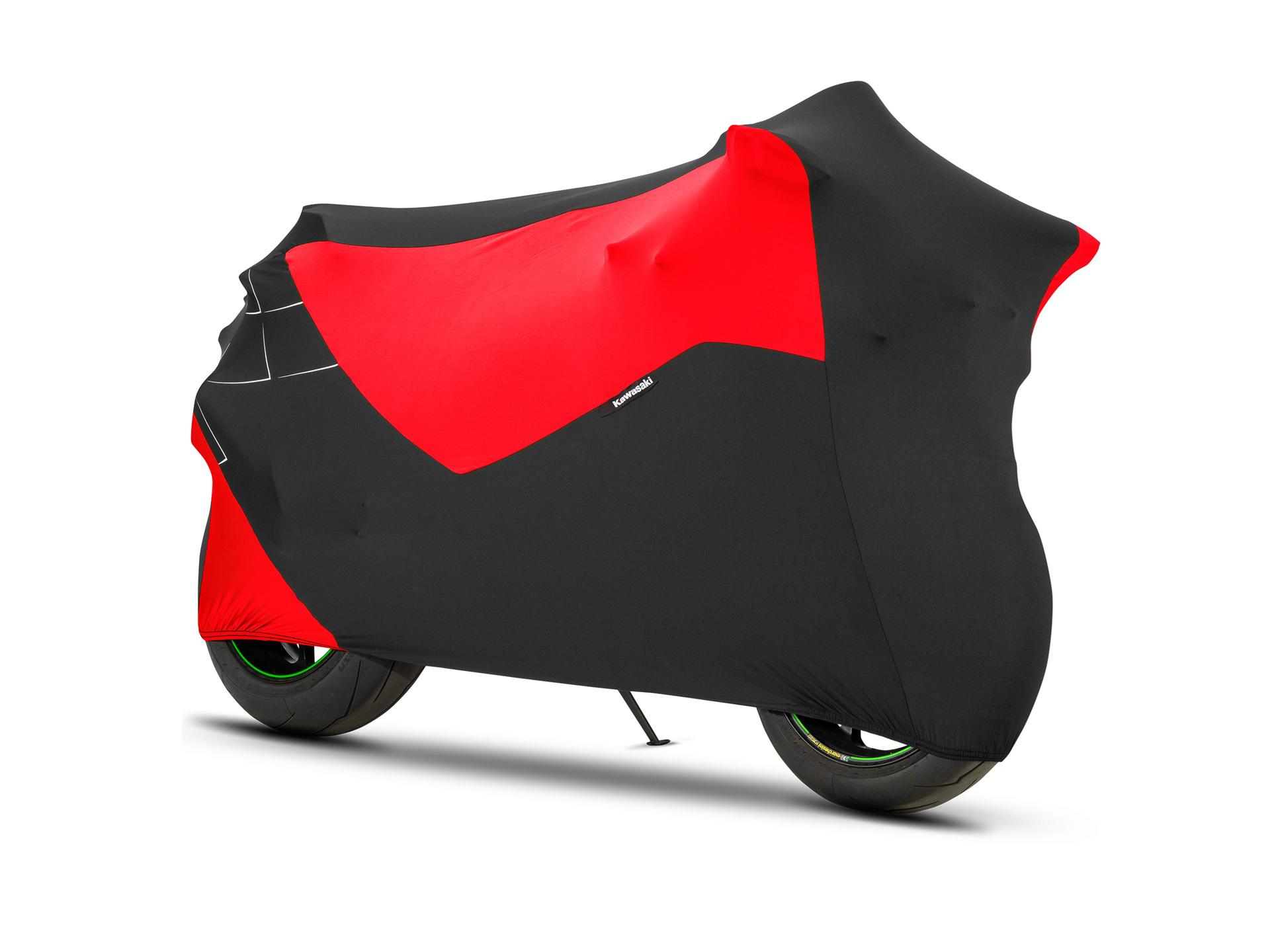
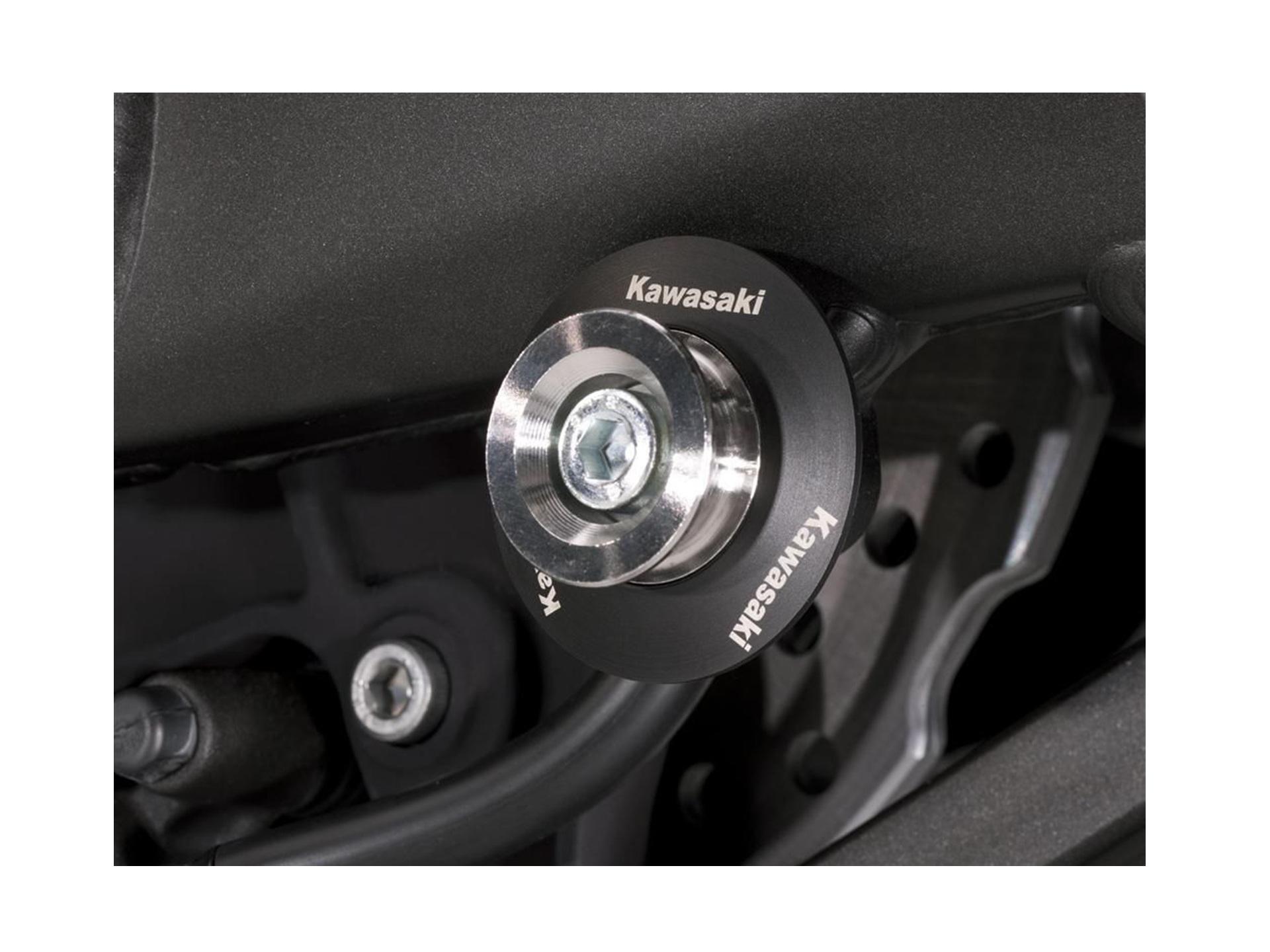
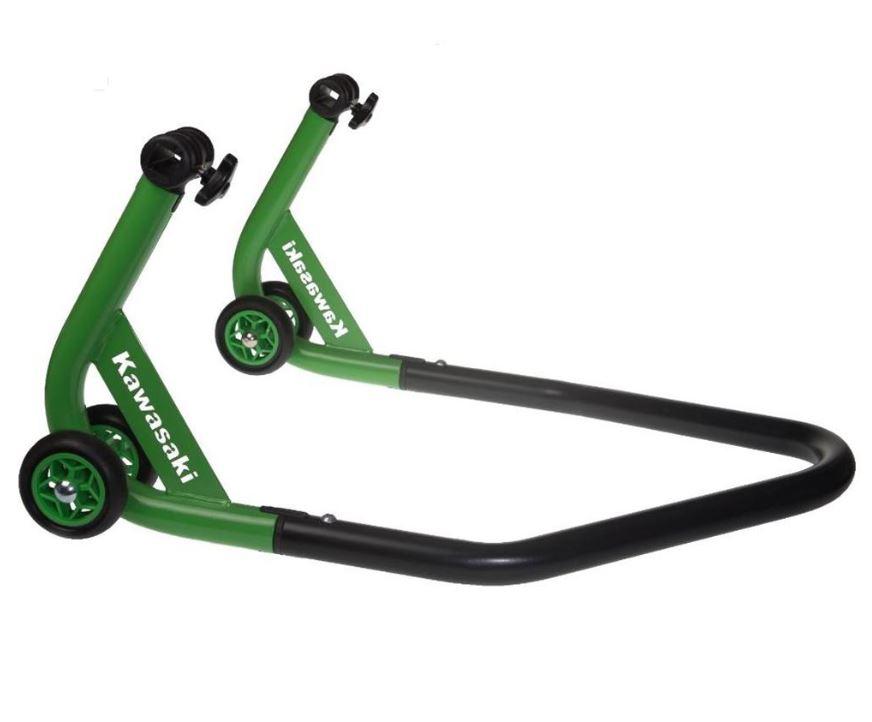
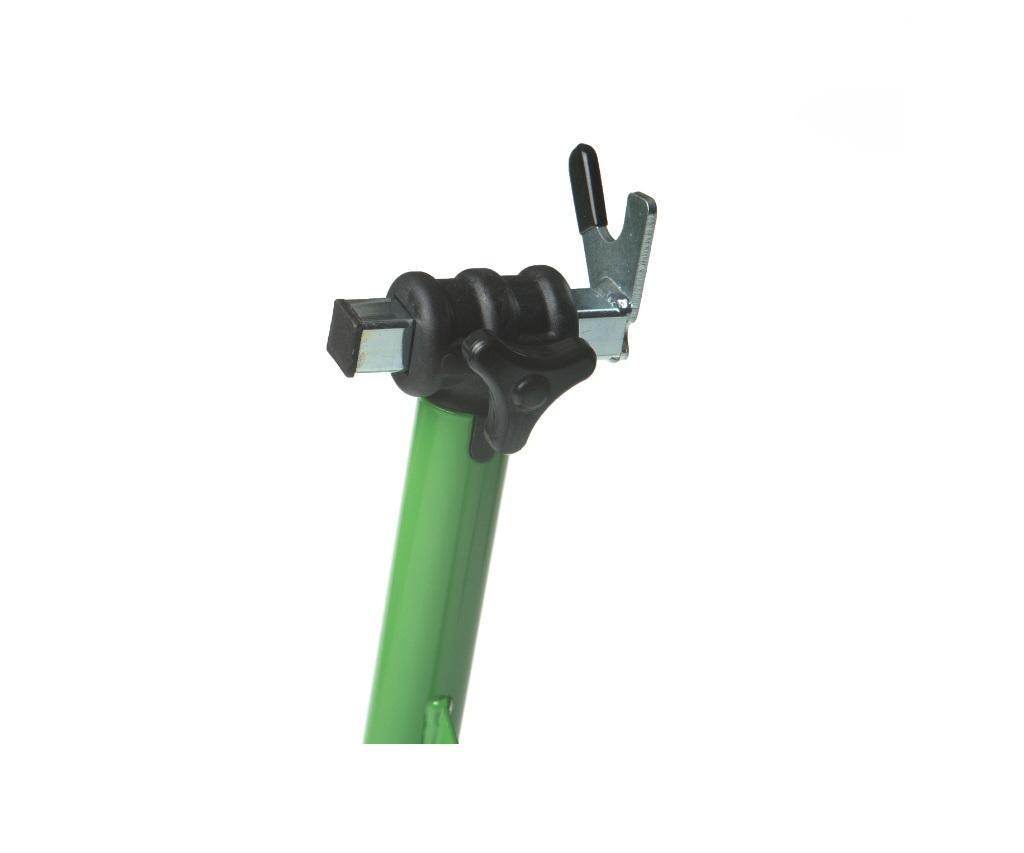
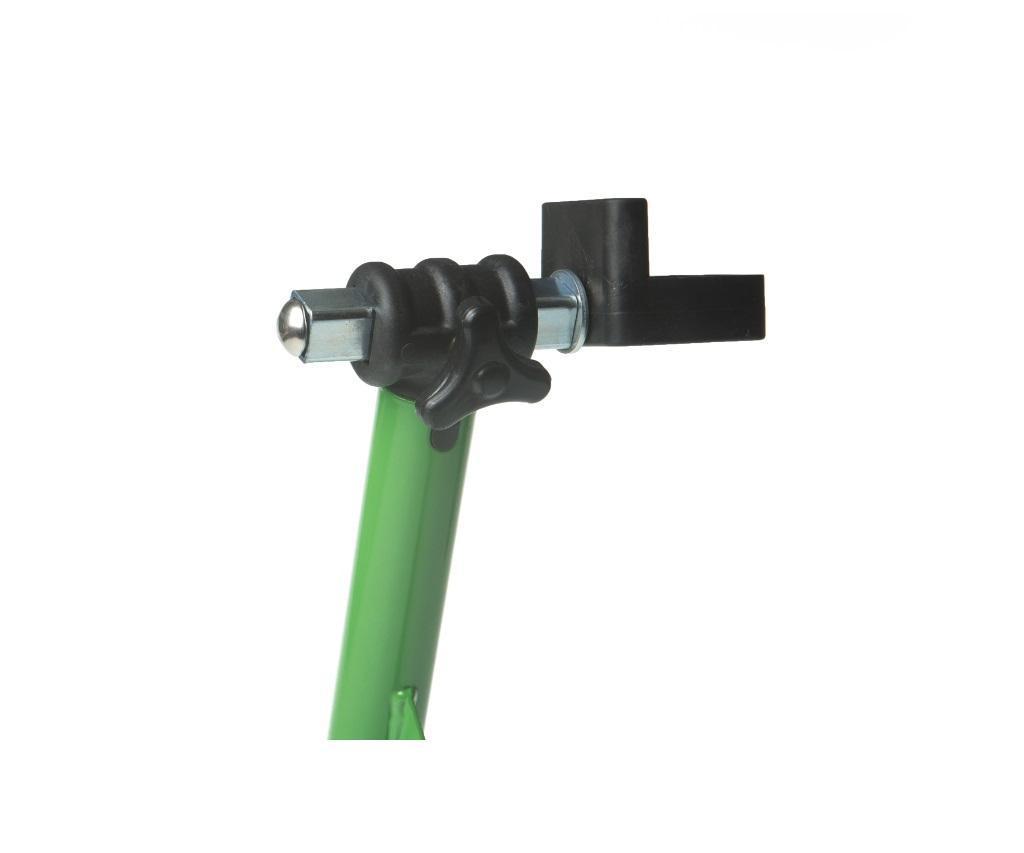
Béquille parfaite pour faire l'entretien de votre moto, lubrifier votre chaîne, changer les pneus etc. Cette béquille arrière Premium peut être démontée. Cela rend le transport beaucoup plus facile. En acier et avec une finition verte et noire. Le logo Kawasaki est découpé au laser dans l'acier. Des fourches en Y ou en L en option sont requises : -Les fourches en Y doivent être utilisées en combinaison avec des bobines. (163JAY0021) -Les fourches/plaquettes en L peuvent être utilisées pour soutenir les bras oscillants arrière. (163JAY0022) 163JAY0021 - Fourches en Y pour béquille arrière 163JAY0022 - Fourches en L pour béquille arrière Pour l'Eliminator 500 la dépose du silencieux est nécessaire.
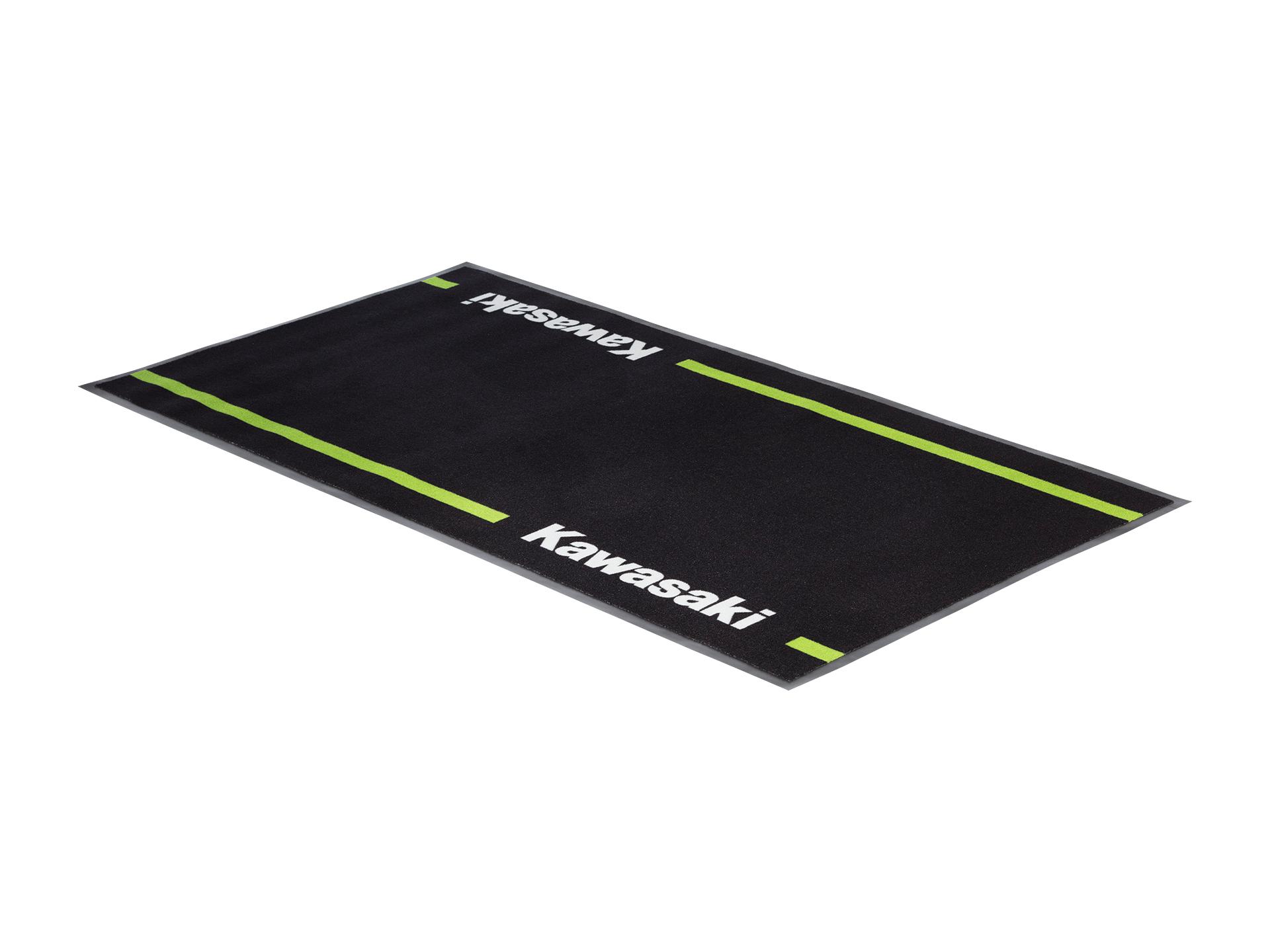
Que vous souhaitiez garer votre moto dans un stand ou dans votre garage, offrez à votre précieuse machine un repos élégant grâce à ce tapis de garage Kawasaki. Conforme aux nouvelles normes environnementales FIM, ce tapis offre une absorption optimale et une excellente protection contre la poussière. Dimensions : 100 cm x 200 cm Grammage : ± 300 g/m² Épaisseur : ± 5 mm Lavable en machine à 30 °C (ne pas sécher en machine)